
Hakone's core decision is whether to return to Tokyo the same day or stay overnight in an onsen ryokan — and the answer hinges on ryokan mechanics that first-timers rarely expect: fixed check-in windows, kaiseki dinner served at a set time, and tattoo policies at some baths. The area is a loop (train, cablecar, ropeway, sightseeing boat, bus) rather than a single town, and Mt Fuji visibility is weather-dependent — never promise the view. Luggage forwarding from Tokyo matters because the loop is bad with suitcases. Here's how to decide, what the loop involves, and the fine print that makes or breaks an overnight stay.
Day Trip vs. Overnight: The Real Trade-Off
A day trip from Tokyo is feasible and popular — the Odakyu Romancecar runs direct from Shinjuku to Hakone-Yumoto in about 90 minutes (per the Standard Japan, 2026). You can complete the loop in a day if you start early and move efficiently. But the loop itself — train to Gora, cablecar to Sounzan, ropeway over Owakudani, boat across Lake Ashi, then bus back — takes roughly 4–5 hours of travel time alone, not counting waits or meals. That leaves little time for onsen bathing, which is the whole point for many visitors.

Day Trip vs. Overnight: The Real Trade-Off — Photo by Tianshu Liu on Unsplash
An overnight stay transforms the experience. You can soak in the evening and morning, enjoy a kaiseki dinner, and avoid rushing. The catch: ryokan operate on strict schedules. Most require check-in between 15:00 and 18:00, and dinner is served at a fixed time, often 18:00 or 19:00 (per Offbeat Japan, 2026). If you arrive late, you may miss dinner entirely — and no, they won't hold it. Also, some baths prohibit tattoos; if you have them, confirm the policy before booking (per The Standard Japan, 2026).
Bottom line: If you only have one day and want to see the sights, a day trip works. If you want the onsen experience without rushing, stay overnight — but be prepared for the ryokan's rules.


The Hakone Loop: How It Works and Where It Bites
Hakone isn't a single town but a volcanic valley scattered across several districts, each with its own character (per Offbeat Japan, 2026). The classic sightseeing route is a loop that connects these districts via different modes of transport:
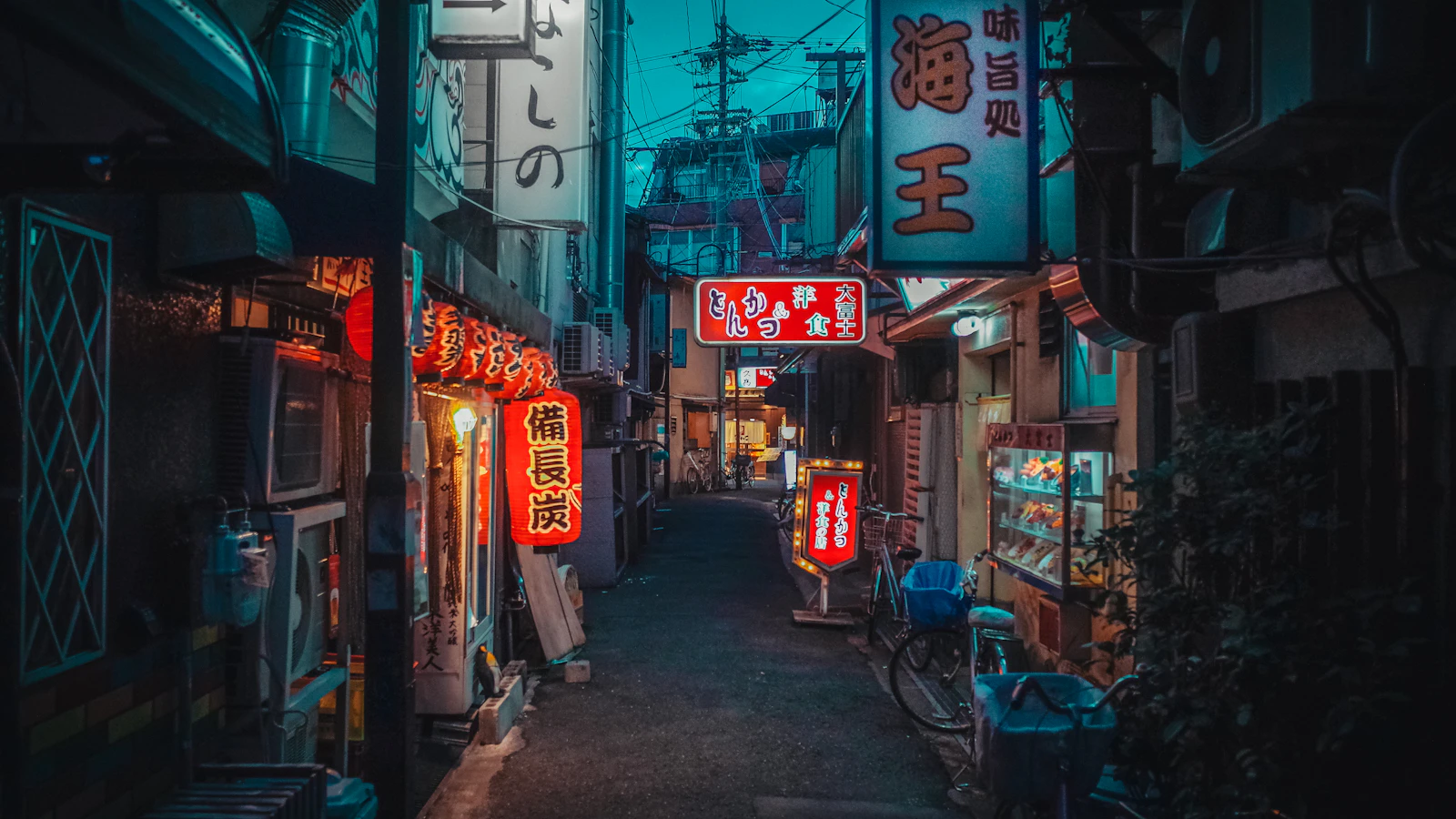
The Hakone Loop: How It Works and Where It Bites — Photo by masahiro miyagi on Unsplash
- Train: From Hakone-Yumoto, take the Hakone Tozan Railway up the mountain to Gora (about 40 minutes, with switchbacks).
- Cablecar: From Gora, a funicular takes you to Sounzan.
- Ropeway: From Sounzan, the Hakone Ropeway crosses over Owakudani (the volcanic valley with hot springs and black eggs) down to Togendai on Lake Ashi. Note: the ropeway can be suspended due to volcanic activity or weather — check the official site before you go (per Watabi, 2026).
- Boat: From Togendai, a sightseeing cruise crosses Lake Ashi to Hakone-machi or Moto-Hakone, with views of Mt Fuji on clear days.
- Bus: From the lake area, buses return to Hakone-Yumoto or connect to other points.
The fine print: The loop is not a single ticket unless you buy the Hakone Free Pass, which covers most of these rides (per Watabi, 2026). Even with the pass, you'll need to coordinate timetables — the ropeway and boat have limited hours, and the last connections can be early (around 17:00). Also, the loop involves walking between stations and possible queues, especially at ropeway boarding. With a suitcase, you'll struggle on the narrow train and cablecar — use a luggage forwarding service from Tokyo to your ryokan (per The Standard Japan, 2026).
Mt Fuji View Odds: When to Go and When to Skip
Mt Fuji is visible from Hakone only on clear days — and even then, it's often obscured by clouds, especially in summer. The best chances are in winter (December–February) when the air is dry and visibility is highest (per Japan Real Guide, 2026). In summer, you might see it early morning or late afternoon, but don't plan around it. The ropeway and Lake Ashi cruise offer the best viewpoints, but if the mountain is hidden, you'll still enjoy the scenery.
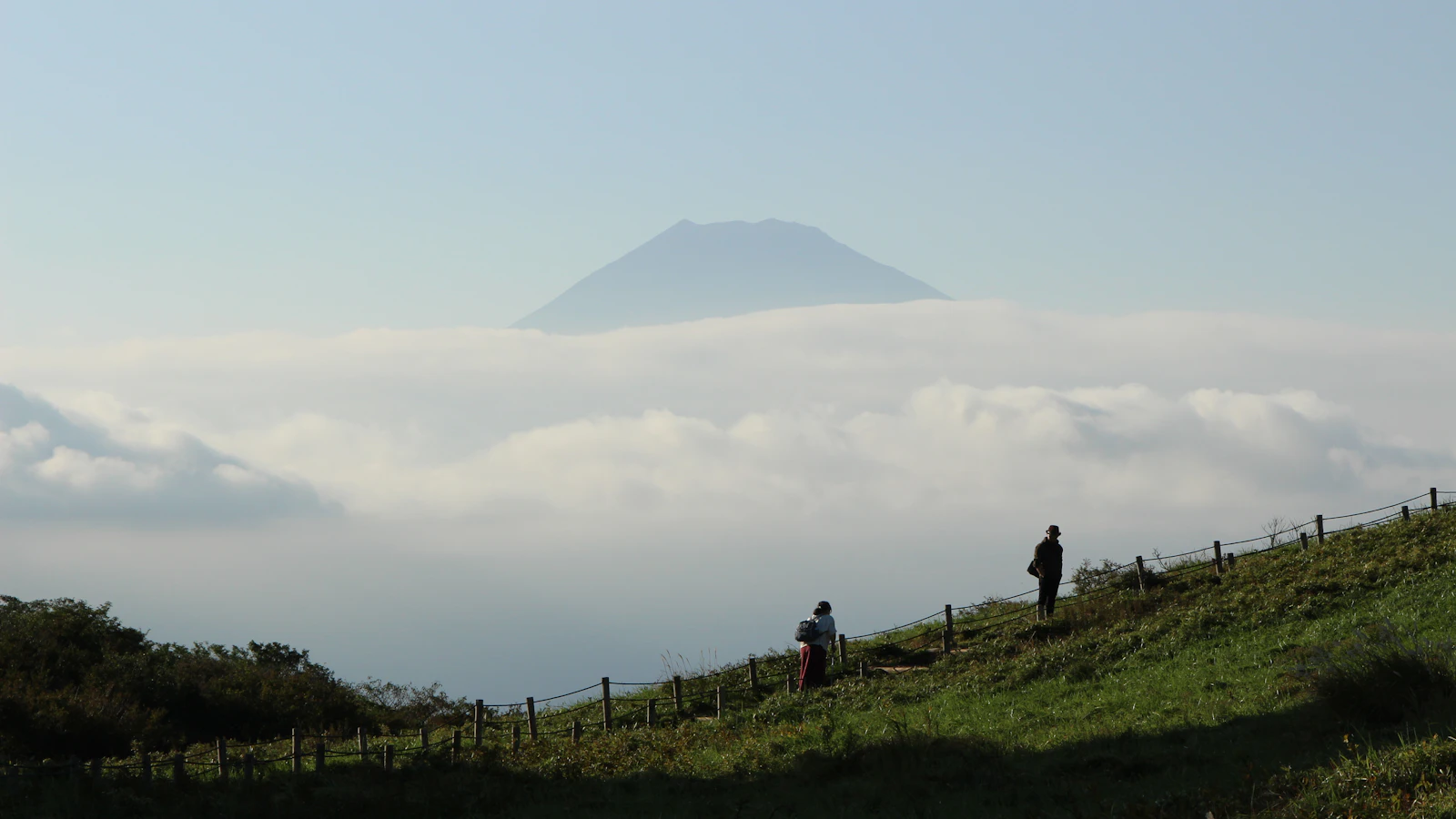
Mt Fuji View Odds: When to Go and When to Skip — Photo by Jan on Unsplash
Who should skip Hakone: If your primary goal is to see Mt Fuji up close, consider Fujigoko (the Five Lakes area) instead, where the mountain dominates the landscape. Also, if you're on a tight budget, Hakone's ryokan can be pricey — day trips are cheaper, but you'll miss the onsen calm. If you have less than two full days in Tokyo, a day trip to Hakone might be too rushed; consider a half-day in Kamakura instead.
Where to Stay: Matching Districts to Travel Styles
Hakone's districts each offer a different experience (per Offbeat Japan, 2026):
- Hakone-Yumoto: The gateway town, with many ryokan, easy access to the train, and a hot-spring town feel. Good for first-timers.
- Gora: Higher up, with more upscale ryokan and views of the valley. Close to the cablecar.
- Miyanoshita: A quiet, traditional onsen area with a few luxury ryokan.
- Lake Ashi (Moto-Hakone/Hakone-machi): Scenic lakeside stays, but farther from the main loop; you'll rely on buses.
For a first visit, Hakone-Yumoto is the most convenient — you can walk from the station to many ryokan. For a more secluded experience, choose Gora or Miyanoshita. Lake Ashi is best if you want lake views and don't mind bus transfers.
Ryokan Rules: The Fine Print That Can Ruin Your Stay
Ryokan are not hotels. They have strict customs that first-timers often miss (per The Standard Japan, 2026):
- Check-in windows: Most require check-in between 15:00 and 18:00. If you arrive late, you may miss dinner and even be refused entry.
- Kaiseki dinner: Served at a set time (usually 18:00 or 19:00) in your room or a dining hall. You can't order à la carte; it's a multi-course meal. If you have dietary restrictions, inform the ryokan in advance — they may not accommodate last-minute changes.
- Tattoo policies: Some baths prohibit tattoos. If you have tattoos, check the policy before booking. Some ryokan offer private baths that are tattoo-friendly.
- Yukata and slippers: You'll be given a yukata (casual kimono) to wear; it's customary to wear it in the ryokan and to the baths. Slippers are provided for indoor use, but you'll remove them at certain thresholds.
- Meals are included: Most ryokan plans include dinner and breakfast. If you book a room-only plan, you'll need to find restaurants, which may be scarce in remote areas.
Common mistakes: Booking a ryokan without reading the meal plan, arriving after check-in, and assuming you can change dinner time. Always confirm your arrival time with the ryokan in advance.
Cost Breakdown: Day Trip vs. Overnight (Worked Example)
Let's compare costs for a solo traveler in August 2026 (prices per public data from the research):
| Item | Day Trip | Overnight (mid-range ryokan) |
|---|---|---|
| Transport (round trip from Tokyo, incl. Hakone Free Pass) | ~¥6,000–¥8,000 | ~¥6,000–¥8,000 |
| Accommodation (per night, incl. dinner & breakfast) | — | ¥15,000–¥30,000 |
| Meals (lunch, snacks) | ¥2,000–¥3,000 | Included in ryokan plan |
| Onsen (public bath) | ¥1,000–¥2,000 | Included in ryokan |
| Total | ¥9,000–¥13,000 | ¥21,000–¥38,000 |
Based on typical rates from the research; actual prices vary by season and booking platform.
If you're on a budget, a day trip can be done for under ¥10,000. But if you want the full onsen experience, the overnight is worth the extra cost — just book a ryokan that fits your style.
How to Book: Compare Rates on Your Dates
For ryokan and hotels, use a booking platform that lets you compare rates for your specific dates. We recommend checking Agoda and Trip.com for Hakone properties — they often have different inventory and prices. For day-trip activities like the ropeway or boat, you can book tickets on-site or via platforms like Klook (not in our approved list, so be careful). Always check the official Hakone Navi site for current operation status.
Decision Checklist: Day Trip or Overnight?
- Choose a day trip if: You have limited time, are on a tight budget, or only want to see the highlights.
- Choose an overnight if: You want to relax in an onsen, enjoy a kaiseki dinner, and don't mind the ryokan's rules.
- Skip Hakone entirely if: You're visiting in summer and expect Mt Fuji views (you'll likely be disappointed), or if you have mobility issues (the loop involves lots of walking and stairs).
Common Mistakes to Avoid
- Assuming the loop is one continuous ride — you'll need to transfer and possibly wait.
- Not checking ropeway status — it can close due to volcanic gas or weather.
- Arriving at your ryokan after check-in — you'll miss dinner and cause stress.
- Carrying large luggage on the loop — use a forwarding service or stay near a station.
- Expecting Mt Fuji views in summer — check the forecast and be flexible.
Final Verdict
Hakone is a rewarding escape from Tokyo, but it demands planning. For most first-timers, an overnight stay in a ryokan is the superior experience — provided you respect the check-in times, meal schedules, and tattoo policies. If you only have a day, start early, use the Hakone Free Pass, and keep expectations low for Mt Fuji. Either way, read the fine print before you book.
Risk disclosure: This guide is for informational purposes only. Prices and schedules are subject to change. Always check official sources before traveling.
FAQ
Is Hakone worth a day trip from Tokyo?
Yes, if you start early and focus on the loop. The Odakyu Romancecar takes about 90 minutes from Shinjuku to Hakone-Yumoto. You can complete the loop in a day, but you'll have little time for onsen bathing. For a more relaxed experience, consider an overnight stay.
What is the Hakone Free Pass and is it worth it?
The Hakone Free Pass covers the Odakyu line from Tokyo (or just within Hakone) and most of the loop's transport: train, cablecar, ropeway, boat, and buses. It can save money if you plan to use all these. Check current prices on the official Odakyu site, as they change.
Can I see Mt Fuji from Hakone?
Yes, on clear days, especially in winter. Summer often brings clouds. The best viewpoints are the ropeway and Lake Ashi cruise. Check the weather forecast before you go, but don't plan your whole trip around the view.
What are the tattoo policies at Hakone onsen?
Many public baths and some ryokan prohibit tattoos. If you have tattoos, look for ryokan that offer private baths or explicitly allow tattoos. Always check the policy before booking.
Sources & Verification
Fact-checked on 2026-08-15:
- "The Odakyu Romancecar runs direct from Shinjuku to Hakone-Yumoto in about 90 minutes." — https://thestandardjapan.com/travel/hakone-guide (2026-08-15)
- "Hakone is a volcanic valley scattered across six or seven distinct areas, each with its own character." — https://offbeatjapan.com/where-to-stay-in-hakone/ (2026-08-15)
- "Ryokan typically require check-in between 15:00 and 18:00, and dinner is served at a fixed time, often 18:00 or 19:00." — https://offbeatjapan.com/where-to-stay-in-hakone/ (2026-08-15)
- "The Hakone Ropeway can be suspended due to volcanic activity or weather, and the Hakone Free Pass covers most loop transport." — https://watabi.org/en/articles/hakone-guide (2026-08-15)
- "Mt Fuji visibility is best in winter (December–February) and often obscured in summer." — https://japanrealguide.com/hakone-day-trip/ (2026-08-15)
Related articles
[2026 Latest] Is Agoda Hotel Booking Really a Bargain? Thorough Explanation of Reasons for Low Prices, Reviews, and Comparison with Other Companies
2026 latest. Explains why Agoda hotel bookings are a bargain through five mechanisms including the merchant model and lowest price guarantee. Also introduces comparisons with other companies such as Booking.com and Expedia, as well as actual reviews. A must-see for cost-conscious travelers.
Where to Stay in Osaka 2026: Namba vs Umeda vs Shin-Osaka as a Day-Trip Base
Osaka is the cheapest big-city base in Japan and a hub for day trips to Kyoto, Nara, Himeji, and Kobe. Compare Namba, Umeda, and Shin-Osaka by food, transport, and budget to pick your ideal area.
Yahoo! Travel Reviews & Ratings 2026: Is It the Best Budget Hotel Booking Site with PayPay Rewards?
In-depth 2026 review of Yahoo! Travel, covering PayPay point rewards, comparison with Ikyu.com, pros and cons. Essential for families looking to save on accommodation.