
Kanazawa offers preserved samurai and geisha districts, a top-three garden (Kenrokuen), and fresh seafood without Kyoto's crowd management problem. It's compact, walkable, and reached by the Hokuriku Shinkansen — making it a practical 1-2 night add-on for many Japan itineraries. But it's smaller and quieter than Kyoto, which suits some travellers and bores others. Here's how to decide, what it costs, and how to plan.
Why Kanazawa is different to plan for
Unlike Kyoto, where you might queue for hours at Kinkaku-ji or dodge tour groups on Higashiyama's narrow lanes, Kanazawa spreads its highlights across a walkable core. The city escaped WWII bombing, preserving entire districts of wooden townhouses and teahouses. You can walk from Kenrokuen to the castle, then to the Higashi Chaya geisha district, in under 30 minutes. That walkability is the key planning difference — you don't need a bus pass or a taxi for most sights.

Why Kanazawa is different to plan for — Photo by Kei Nakada on Unsplash
Another difference: food. Omicho Market, with over 200 vendors, is the city's culinary heart — a covered market where you can eat fresh seafood at tiny stalls. It's a working market, not a tourist set-piece, so it closes early (around 5 PM) and is busiest before noon. Plan your market visit for the morning, not the evening.
Kenrokuen Garden: one of Japan's top three
Kenrokuen is one of Japan's "Three Great Gardens" (along with Kairaku-en in Mito and Koraku-en in Okayama). It was originally the outer garden of Kanazawa Castle, and it shows — the layout uses ponds, streams, and seasonal plantings to create a landscape you can walk through for hours. The garden is open year-round, and each season changes its character: cherry blossoms in spring, azaleas and irises in early summer, autumn colours, and the famous yukitsuri (snow ropes) in winter that protect the branches.
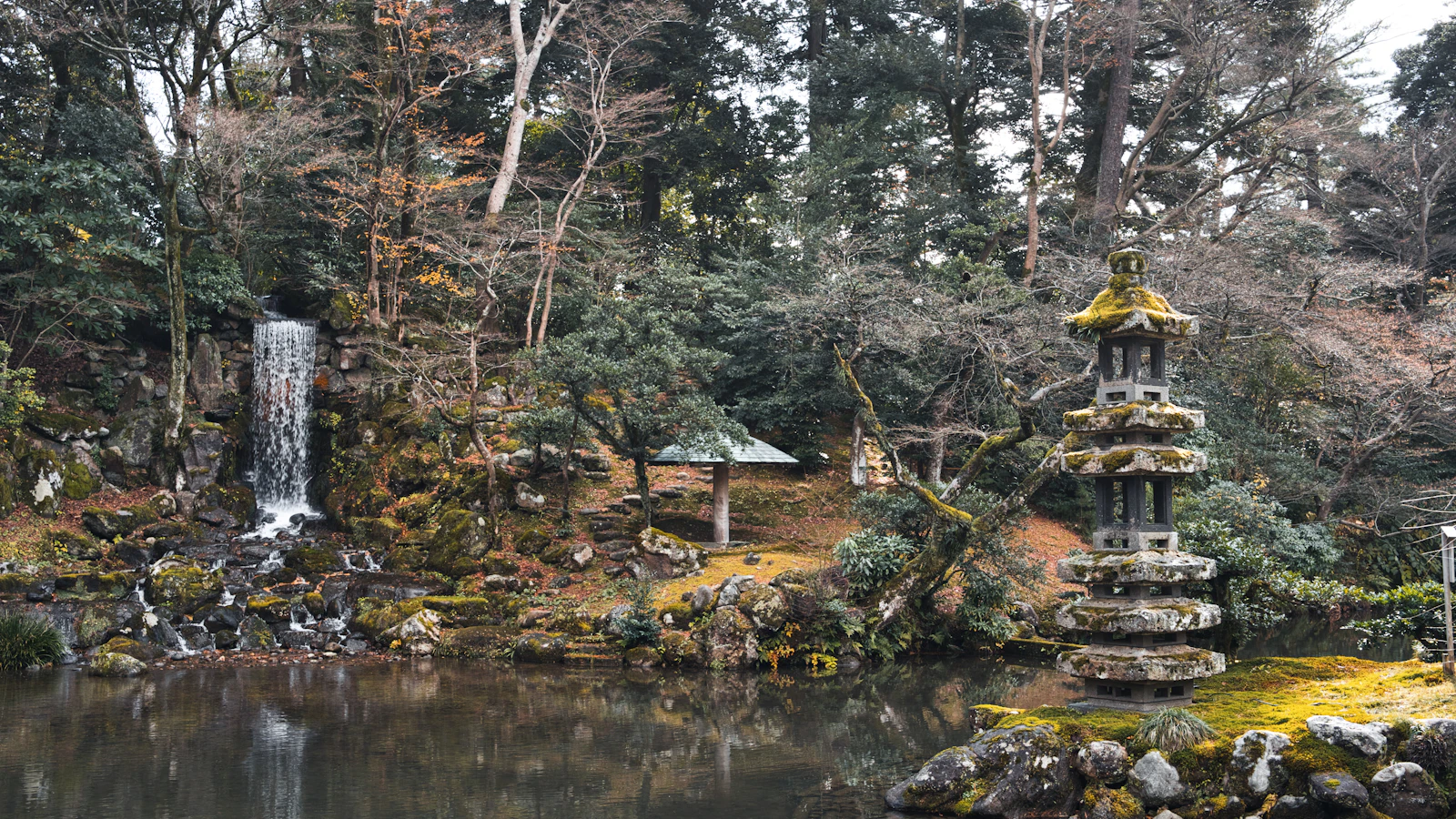
Kenrokuen Garden: one of Japan's top three — Photo by Yu on Unsplash
Per the official Kanazawa tourism information, Kenrokuen is open from 7:00 to 18:00 (hours vary by season), and admission is 320 yen for adults. That's a bargain compared to many Kyoto gardens. Allow at least two hours to walk the full circuit.
Samurai and geisha districts: where history lives
Nagamachi is the samurai district, where you can walk along earthen walls and narrow lanes that once housed the retainers of the Maeda clan. The Nomura Samurai House is a restored residence with a small garden, and it's worth the 550 yen entry to see how a middle-ranking samurai lived. The district is compact — you can see it in an hour, but it's best in the late afternoon when the light is soft.
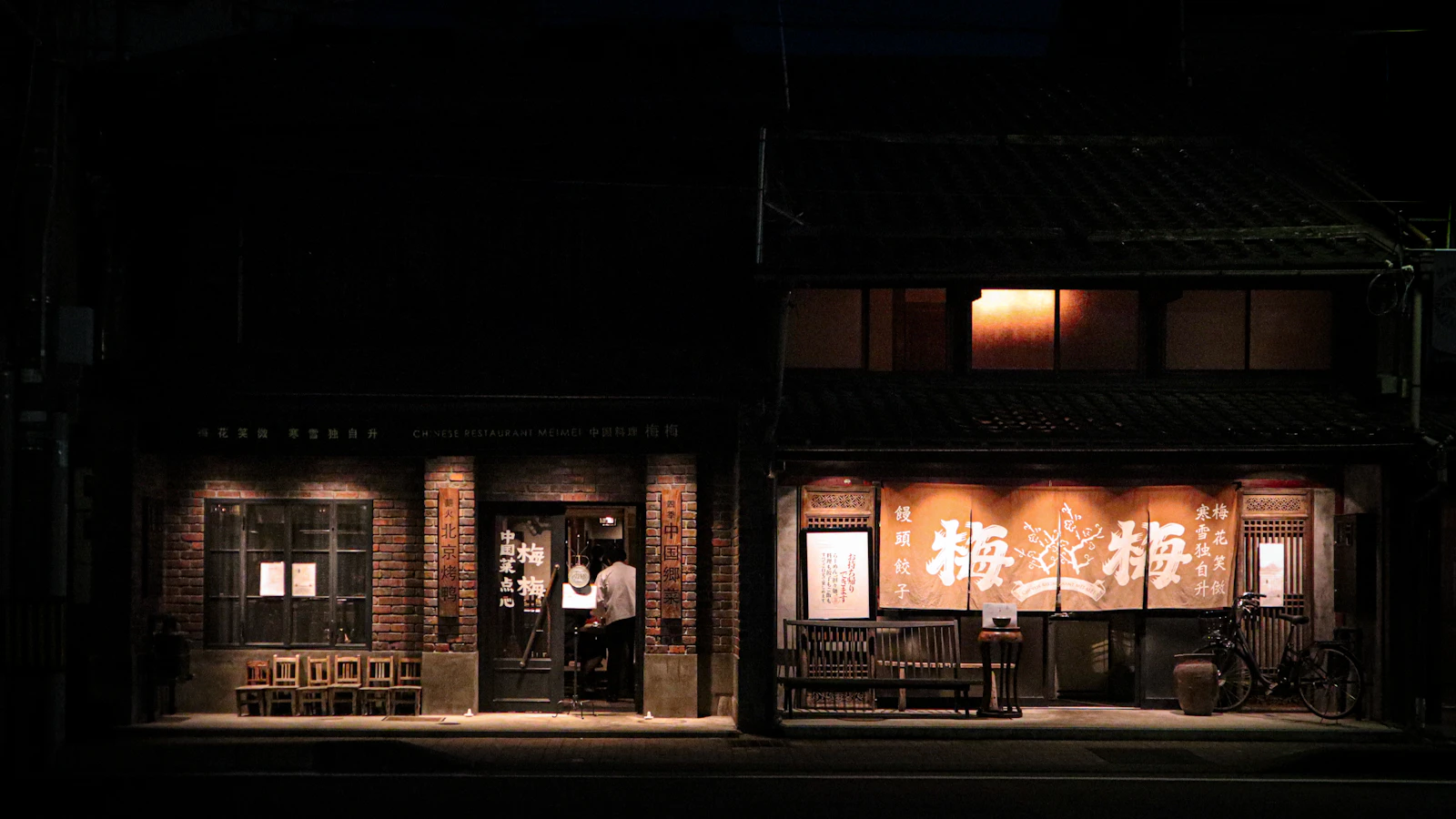
Samurai and geisha districts: where history lives — Photo by Yuya Yoshioka on Unsplash
Higashi Chaya is the geisha district, with two streets of preserved teahouses. Some are still in use, and you can visit a few that are open to the public, like the Shima Teahouse (admission 400 yen). The area is also known for gold leaf — Kanazawa produces nearly all of Japan's gold leaf, and you'll see it on sweets, crafts, and even ice cream. For a hands-on experience, you can try gold-leaf application at a workshop, but book ahead.
Omicho Market: seafood identity
Omicho Market is Kanazawa's answer to Tokyo's Toyosu — but with a fraction of the crowds. It's a covered market with rows of vendors selling fresh fish, shellfish, and local produce. The food identity is seafood from the Sea of Japan: crab in winter, yellowtail, and a variety of sushi and sashimi. You can eat at standing stalls or tiny sit-down counters, but many close by 2 PM, so go early.
A typical breakfast of fresh sushi or a seafood bowl (kaisen-don) runs about 1,000–2,000 yen, depending on the toppings. Compare that to Tokyo's Tsukiji outer market, where similar bowls often exceed 3,000 yen. The market is also a good place to pick up local specialties like jibuni (duck stew) or gold-leaf sweets as souvenirs.
How to get there and how long to stay
Kanazawa is on the Hokuriku Shinkansen line, about 2.5 hours from Tokyo Station. The line runs from Tokyo through Nagano and Toyama to Kanazawa, and the fastest trains (Kagayaki) take about 2 hours 30 minutes. From Kyoto or Osaka, you'll need to transfer at Tsuruga (for the Thunderbird limited express) or use a bus — the journey takes about 3.5 to 4 hours. The city is also a stop on the Hokuriku Arch Pass, which covers travel from Tokyo to Kansai via Kanazawa.
For most travellers, 1–2 nights is enough to see the highlights: a full day for Kenrokuen, the castle, and the districts, plus a morning for the market. If you want to add a day trip to Shirakawa-go (a UNESCO World Heritage site with gassho-zukuri farmhouses), you'll need at least 2 nights. Shirakawa-go is about 1.5 hours by bus from Kanazawa, and the bus can be booked online.
Who should skip Kanazawa
Kanazawa is not for everyone. If you have only 5 days in Japan and want to see Tokyo, Kyoto, and Hiroshima, adding Kanazawa will stretch your itinerary thin. It's also less lively at night — the city winds down after 8 PM, and there's no nightlife to speak of. If you're looking for a base for day trips to the Japanese Alps, Takayama is a better choice. And if you're on a tight budget, note that Kanazawa's hotels are not dramatically cheaper than Kyoto's — the savings come from the lack of crowds, not the room rates.
Cost comparison: Kanazawa vs. Kyoto
To help you decide, here's a quick comparison of typical costs (per person, as of August 2026, based on public data):
| Item | Kanazawa | Kyoto | Notes |
|---|---|---|---|
| Hotel (mid-range, per night) | ¥12,000–18,000 | ¥15,000–25,000 | Kyoto peaks higher in cherry-blossom season |
| Kenrokuen admission | ¥320 | Free (many temples charge ¥400–600) | Compare to Kinkaku-ji at ¥500 |
| Sushi breakfast at market | ¥1,500–2,500 | ¥2,500–4,000 (Nishiki Market) | Omicho is smaller but less crowded |
| Day-trip to a UNESCO site | ¥3,000–5,000 (Shirakawa-go bus) | ¥1,000–2,000 (Nara train) | Shirakawa-go is farther and pricier |
| Walkability score | High (most sights within 30 min walk) | Moderate (need buses for some temples) | Kanazawa is flatter and more compact |
Prices are indicative and may vary by season and booking platform. Always check current rates on official or booking sites.
Common mistakes and how to avoid them
- Skipping Omicho Market: Many visitors focus on gardens and districts and miss the market. Go early — before 10 AM — to see the vendors at their liveliest and eat a fresh seafood breakfast.
- Not booking Shirakawa-go bus in advance: The bus from Kanazawa to Shirakawa-go is popular and fills up, especially in autumn. Book at least a few days ahead online.
- Assuming Kanazawa is like Kyoto: It's smaller and quieter. If you expect Kyoto's scale, you'll be disappointed. Adjust your expectations and enjoy the calm.
- Visiting Kenrokuen at midday: The garden is most beautiful in the early morning or late afternoon, when the light is soft and crowds are thinner.
- Forgetting that many museums close on Mondays: The 21st Century Museum of Contemporary Art, a major attraction, is closed on Mondays (or the following day if Monday is a holiday). Plan accordingly.
Where to stay and how to book
Kanazawa has a range of accommodations, from ryokan (traditional inns) to business hotels. The most convenient areas are near Kanazawa Station (for transport) or in the Katamachi/Higashi Chaya area (for atmosphere). For a traditional experience, consider a ryokan with a kaiseki dinner — but book well in advance, as they fill up.
Compare rates for your dates on Agoda or Trip.com (use the search function for Kanazawa). For tours and activities, such as a gold-leaf workshop or a food tour, check Klook or GetYourGuide (they cover Kanazawa as well).
Final verdict
Kanazawa is the right choice if you want the atmosphere of old Japan without the crowds, and if you're willing to trade a bit of nightlife and scale for walkability and a more relaxed pace. It's ideal as a 1-2 night add-on to a Tokyo or Kansai itinerary, especially if you use the Hokuriku Arch Pass. Skip it if you're short on time or prefer a city that buzzes after dark. Either way, the decision is clear — and now you have the facts to make it.
Always check the official Kanazawa tourism website for the latest hours, prices, and events, as they can change seasonally.
FAQ
How many days do you need in Kanazawa?
Most travellers find 1-2 nights sufficient. With one full day, you can see Kenrokuen Garden, Kanazawa Castle, the Nagamachi samurai district, and Higashi Chaya geisha district. Add a morning for Omicho Market. If you plan a day trip to Shirakawa-go, you'll need at least two nights.
Is Kanazawa worth visiting instead of Kyoto?
Kanazawa is a good alternative if you want preserved historic districts and a top garden without Kyoto's crowds. However, it's smaller and quieter. If you have time, you can visit both — they're connected by train via Tsuruga. If you must choose, Kanazawa offers a more relaxed experience, but Kyoto has more temples and a larger historic core.
How do you get from Tokyo to Kanazawa?
Take the Hokuriku Shinkansen from Tokyo Station. The fastest trains (Kagayaki) take about 2 hours 30 minutes. The journey is covered by the Japan Rail Pass (for now) and the Hokuriku Arch Pass. Tickets can be booked online or at station counters.
What is Kanazawa famous for?
Kanazawa is famous for Kenrokuen Garden (one of Japan's top three), its preserved samurai and geisha districts, and fresh seafood at Omicho Market. It's also known for gold leaf production, which you'll see in crafts and food.
Sources & Verification
Fact-checked on 2026-08-12:
- "Kenrokuen is one of Japan's Three Great Gardens, originally the outer garden of Kanazawa Castle." — https://japanrealguide.com/kanazawa-travel-guide-2026-a-first-timers-guide-to-kenrokuen-geisha-districts-samurai-streets-and-sea-of-japan-seafood/ (2026-08-12)
- "Kanazawa escaped WWII bombing, preserving samurai and geisha districts." — https://thestandardjapan.com/travel/kanazawa-travel-guide (2026-08-12)
- "Omicho Market is a covered market with over 200 vendors, known for fresh seafood." — https://roamjapan.com/blog/things-to-do-in-kanazawa/ (2026-08-12)
- "Kanazawa is reached by the Hokuriku Shinkansen, about 2.5 hours from Tokyo." — https://www.japan-atlas.com/kanazawa/ (2026-08-12)
Related articles
Hokkaido: Ski Season vs Summer – Which Trip to Plan, What It Costs, and How to Get Around
Hokkaido is two destinations in one: powder-ski Niseko in winter vs lavender Furano in summer. Compare costs, transport, and timing to pick your season.
Narita & Haneda to Tokyo 2026: N'EX vs Skyliner vs Limousine Bus vs Monorail
Compare Narita Express, Skyliner, Limousine Bus, and Haneda Monorail for Tokyo airport transfers. See 2026 prices, times, and which option suits your itinerary.
JR Pass 2026: Is It Worth It? Break-Even Math & Regional Alternatives
In 2026, the JR Pass costs ¥50,000 for 7 days. Use our break-even calculator and compare regional passes to see if it's worth it for your Japan trip.