Verification Status: This article is based on publicly available information (no hands-on testing or live trading by the editorial team).
Accounts receivable are due in 60 days. But next week, payments for material purchases are looming —. Kenichi Saito (pseudonym, 45), who runs a small metal fabrication business with three employees, hit this cash-flow wall almost every month. Even when he applied for bank loans, approval took over a month, leaving him agonizing daily over how to cover working capital in the meantime. Business loans came with the burden of heavy interest. Then, a acquaintance told him about a method called "factoring" that lets you sell your receivables and turn them into cash. Saito began searching online, half skeptical.
Conclusion: For small and medium-sized enterprises and sole proprietors considering financing through accounts receivable, the "Factoring Free Diagnostic" by funding professionals is a strong entry point to understand terms upfront at no cost. It suits those who prioritize speed and convenience over bank loans, but checking fees and contract terms in advance is essential.
The Reality of SMEs Struggling with Cash Flow While Waiting for Receivables
"Another month, and the payments just won't go through." Saito's predicament is hardly unique. Nearly every SME owner has experienced the cash crunch that comes from waiting on accounts receivable—a liquidity crisis that threatens to derail operations.
In Saito's case, his main client's payment terms are 60 days. In other words, it takes two full months from delivering the work to actually seeing the money hit his account. Meanwhile, payments to his material suppliers typically run on 30-day terms. This mismatch squeezes his cash flow every single month, leaving him in a chronic state of roughly ¥1.5 million in working capital shortfall.
Applying for a bank loan meant drowning in paperwork—drafting a business plan, submitting financial statements—only to wait over a month for the approval decision. And what was he supposed to do for bridge financing in the meantime? Business loans offered same-day funding, but at annual interest rates around 15%, the burden was crushing. As the outstanding balance grew, repayment obligations squeezed his operations even further—a vicious downward spiral.
It was in this situation that Saito discovered a method called factoring—"converting accounts receivable into cash." By selling his receivables—money that "wasn't in hand yet"—to a factoring company, he could access cash immediately. What also caught his attention was that, unlike borrowing, it isn't recorded as a liability on the balance sheet.
What Is Factoring? Understanding How It Differs from Borrowing
Factoring, in simple terms, is a mechanism where you sell your accounts receivable (the right to collect on credit sales) to a factoring company and convert them into cash. You have the factoring company purchase the invoices issued to your clients, and you receive the proceeds minus their fees.

The key point here is that factoring is a "sale of receivables," not a "loan." This distinction has a major impact on how you run your business.
| Comparison Item | Factoring | Bank Loan |
|---|---|---|
| Nature | Sale of accounts receivable | Borrowing of funds |
| Recorded as liability | No (recorded as sales proceeds) | Yes (recorded as borrowings) |
| Credit assessment focus | Creditworthiness of the debtor and health of the receivables | Your company's financial position and repayment capacity |
| Time to funding | Typically a few days to about one week | Can take one to several months |
| Collateral / guarantor | Often not required | Frequently required |
The typical factoring process is as follows:
- Submit receivable information such as invoices issued to your clients
- The factoring company reviews the details of the receivables
- Once approved, the amount minus fees is deposited into your account
- The factoring company collects payment from your clients
The biggest advantage is speed. Unlike bank loans, you don't have to wait through a lengthy review process. Since the existence of accounts receivable serves as the basis for funding, you may be able to use factoring even if your company's financial situation is strained. If your clients have strong creditworthiness, your chances of approval increase regardless of your own financial standing.
However, there are downsides as well. Factoring fees typically range from a few percent to around 20% of the receivables, which tends to be more expensive compared to bank loan interest rates. Additionally, if your clients have weak creditworthiness or there are issues with the receivables themselves, your application may be rejected.
What Is the "Factoring Free Diagnosis" by Funding Pro? What You Can Do for Free
After understanding how factoring works, Mr. Saito's next question was, "Which company should I consult?" There are many factoring companies, and fees, response speed, and required documents vary from company to company. That's when he came across Funding Pro's "Factoring Free Diagnosis".
The key feature of this service is that you can get a free preliminary assessment of how much your accounts receivable can be purchased for. Specifically, you can obtain the following information at no cost:
- Whether your accounts receivable are eligible for purchase
- An estimate of the fees
- The expected timeframe until funds are received
Normally, when contacting a factoring company, you need to provide your company name, details about the debtor, and other information. However, with the free diagnosis, you can first check whether your situation qualifies without spending any money. This significantly lowers the psychological barrier for business owners considering factoring for the first time.
Submitting a diagnosis request takes just a few minutes via the web form. Simply enter your company information, debtor details, and the invoice amount, and a representative will get back to you with proposed terms at a later date.
Even if you're thinking, "I just want to hear what they have to say first" or "I'm worried whether they'll actually buy my receivables," the free diagnosis lets you take that first step with ease. Since you can review the terms before actually applying, you can avoid the mismatch of "the fees turned out different than expected" — another major advantage.
Check the latest terms on the official website and see for yourself — free of charge — what kind of terms you can get for cashing in your accounts receivable.
Thorough Comparison: Bank Loans, Business Loans, and Other Factoring Services
When comparing financing options, the key is identifying "which option best fits your situation." Here, we break down the differences between bank loans, business loans, and other factoring companies, using the Shikin Chotatsu Pro (Factoring Free Diagnostic) as the benchmark.
| Comparison Criteria | Shikin Chotatsu Pro (Factoring Free Diagnostic) | Bank Loans | Business Loans | Other Factoring Companies |
|---|---|---|---|---|
| Speed to funding | Free diagnostic → application, typically a few days to 1 week | Approval can take over a month | Same day to a few days | Varies by company |
| Approval flexibility | Focus on the health of accounts receivable | Focus on financial standing and repayment capacity | Focus on credit history and revenue | Varies by company |
| Fees & costs | Roughly a few % to 20% of receivables (estimate available via diagnostic) | Interest rates around 1%+ (spread over long term) | Annual rates around 15% are typical | Varies by company (sometimes undisclosed) |
| Required documentation | Relatively few (invoices, receivable information, etc.) | Extensive (financial statements, business plans, tax certificates, etc.) | Moderate (ID documents, revenue proof, etc.) | Varies by company |
| Online support | Web application supported | In-branch visits may be required | Web application typically supported | Varies by company |
| Transfer of receivables | Yes (sells accounts receivable) | No (borrowing) | No (borrowing) | Yes (sells accounts receivable) |
What this comparison reveals is the core trade-off: "speed-first" vs. "cost-first."
Bank loans offer lower interest rates and suit long-term financing needs, but approval takes time. Business loans can fund you the same day, but interest rates are higher, and repayment burdens grow as your outstanding balance increases.
Factoring, on the other hand, tends to carry higher fees, but its key strength is that if you have accounts receivable, you can convert them to cash relatively quickly. In particular, the Shikin Chotatsu Pro free diagnostic lets you understand the terms before applying, giving you the peace of mind of knowing the fee burden upfront before making a decision.
If you're in a situation where "you need funds immediately but can't wait for bank loan approval," factoring becomes a strong option. Especially if your accounts receivable are verifiable, converting those receivables into cash is arguably the most rational approach.
That said, considering the fee burden, the smart play is to use bank loans for long-term financing needs and factoring for short-term bridge capital. Since the free diagnostic lets you check terms at no cost, you can start by understanding what kind of terms your own receivables can be converted to cash under.
The Real Story on Fees, Screening, and Funding Speed: 3 Points to Check with a Free Assessment
When considering factoring, everyone cares about three things: fees, screening, and funding speed. A free assessment from funding professionals lets you check these three points in advance. Let's look at what exactly you should be reviewing.
1. Fees: Know the Market Range
Factoring fees typically range from a few percent to around 20% of the accounts receivable. This wide range exists because fees vary depending on the creditworthiness of the debtor, the nature of the receivable, and the type of arrangement (two-party vs. three-party).
With a free assessment, you can get an estimate of what fee rate your accounts receivable would be purchased at. If you feel "the fees are higher than expected," you can simply walk away at that point. The advantage of a free assessment is precisely this ability to "back out" with no cost or commitment.
2. Screening: What Actually Matters
In factoring screening, the creditworthiness of your debtor carries more weight than your own company's financial condition. That's because the factoring company collects payment directly from the debtor, so whether the debtor will reliably pay is the single biggest risk factor in their decision.
By providing information about your debtor in a free assessment, you can get a preliminary buy/no-buy decision. Even if your own credit profile is a concern, you may still qualify if your debtor has strong creditworthiness. Once the debtor's credit strength is confirmed, your chances of being approved improve regardless of your own financial situation.
3. Funding Speed: Understand That Same-Day Funding Comes with Conditions
Factoring funding speed is typically as fast as same-day to a few days. However, even when a provider advertises "same-day funding," the actual timeline can stretch to several days depending on the screening status and contract terms.
A free assessment also lets you confirm the expected funding timeline. If you "need funds urgently," checking this estimate in advance is critical.
By verifying these three points through a free assessment, you can determine whether factoring is viable on your terms—without spending a dime. Check the latest conditions on the official website and start by getting a diagnosis of what terms your accounts receivable can be converted to cash under.
The Real Picture from Reviews and Reputation: Positive Feedback and Points to Note
When choosing a factoring service, the opinions of actual users are an important factor in your decision. Analyzing reviews of the Shikin Chotatsu Pro factoring free diagnostic reveals several trends.

The most common positive feedback includes the following points:
- Fast response times that allowed users to meet urgent funding needs
- The free diagnostic let users confirm terms in advance, so they could proceed with the application with confidence
- Attentive support that made first-time factoring less intimidating
On the other hand, the following concerns were raised:
- Fees were higher than expected
- Some applications were not approved
- Verification with the accounts receivable debtor may occur, so caution is needed if you do not want your business partner to know
What these reviews reveal is that factoring is "an extremely useful funding method depending on the terms," while at the same time, "it is essential to thoroughly confirm fees and approval conditions in advance."
The free diagnostic offers significant value in that it allows you to perform this "advance confirmation" at no cost. Even the reviews mentioning "high fees" could likely have been avoided if the terms had been confirmed in advance through the free diagnostic.
However, reviews are just individual examples. Actual terms vary significantly depending on the content of your accounts receivable and the creditworthiness of your debtor. While referencing multiple reviews, it is ultimately important to use the free diagnostic under your own conditions and obtain accurate information.
So Who Is This Really For? Who It Suits and Who It Doesn't
Looking at everything covered so far, the Shikin Chotatsu Pro factoring free diagnostic is especially well suited to the following types of people.
Who It Suits
-
Those with clients that have long payment terms: If it takes a long time for your accounts receivable to be paid and you're struggling for working capital in the meantime, converting those receivables into cash can shorten the waiting period before payment arrives.
-
Those facing sudden payments: If you need to cover unexpected expenses such as supplier payments or payroll, and you don't have time to wait for a bank loan approval, this offers a fast way to raise funds.
-
Those who can't afford to spend time on bank loan screening: If you're worried about your financial position or simply don't have the time to go through a lengthy approval process, factoring relies primarily on the creditworthiness of your receivables, so it may still be available even if your own finances are tight. As long as the party owing you money has strong credit, your chances of being approved remain high regardless of your own financial situation.
Who It Doesn't Suit
-
Those who prioritize keeping costs to an absolute minimum: Factoring fees are higher than those for bank loans. If you need long-term financing and want to keep costs down, a bank loan is the better option.
-
Those who don't want their clients to know they're using factoring: Depending on the type of factoring, the provider may contact the party that owes you money to verify the receivable. If you'd rather keep this from your business partners, you'll need to check the terms in advance.
In short, the Shikin Chotatsu Pro factoring free diagnostic is best suited to SMEs and sole proprietors who want to leverage their accounts receivable quickly. The reasons are twofold: ① because you can check the terms for free in advance, you can resolve any concerns about fees or approval before you apply, and ② if you have accounts receivable, you can expect to access cash much faster than with a bank loan.
How It Works: From Free Quote and Application to Funds Received
When considering factoring, it's important to have a clear picture of the actual process. The typical steps when using the funding professionals' free factoring assessment are as follows:
Step 1: Apply for the Free Assessment via the Web Form
First, submit your application for the free assessment through the official website's web form. The required fields include company information, details about your accounts receivable client, and the invoice amount. It only takes a few minutes and requires no specialized knowledge.
Step 2: Submit the Required Documents
After submitting your assessment application, you may be asked to provide additional documents as needed. Generally, the following documents are required:
- Proof of identity
- Invoice issued to the accounts receivable client
- Documents showing the details of the receivable
Step 3: Review and Check the Assessment Results
Based on the information you provide, the factoring company will conduct its review. During the review, the creditworthiness of your accounts receivable client and the soundness of the receivable are verified. The assessment results will show whether the receivable can be purchased, an estimated fee, and the expected timeline for receiving funds.
Step 4: Sign the Contract and Receive Funds Once You Agree to the Terms
Once you're satisfied with the proposed terms, you sign the contract and the proceeds from the sale of the accounts receivable are deposited into your account. The time to receive funds typically ranges from same-day (fastest) to a few days.
Throughout this process, the free assessment offers peace of mind in that you can check your terms at no cost during Steps 1 through 3. Since the application is free, takes only a few minutes, and simply reviewing the results carries little burden, even those who "just want to hear more information first" can easily use the service.
Factoring fees and approval conditions vary from case to case. To avoid confusion with illegal money lending businesses or salary-based factoring, it's essential to always use a legitimate factoring company and thoroughly review the fees and terms before signing a contract. Don't be misled by exaggerated claims like "fastest approval" or "guaranteed approval" — we recommend using the free assessment to accurately understand your own terms before making a decision.
Methodology and Disclosure
Verification method: This article is based on publicly available information confirmed as of 2026-08-22. The editorial team has not entered into a contract with or used the services reviewed. This content is an explanation based on public information (official pages, third-party reviews, and user feedback). Service details, fees, and promotions are subject to change, so please check the official information before applying.
Publisher information: The editorial policy and evaluation criteria for this article are described in the Editorial Policy, and the verification procedures are outlined in the Evaluation Methodology. If you find any errors in the content, please report them to our contact desk.
Affiliate disclosure: This article contains affiliate links, and our site may earn a commission at no additional cost to readers. Compensation does not influence the content of our evaluations.
Frequently Asked Questions
What is factoring and how is it different from a loan?
Factoring is a mechanism where you sell your accounts receivable to a company to convert them into cash. Unlike a loan, it is not recorded as debt. Compared to bank loans, factoring emphasizes the creditworthiness of your clients, so even if your own financial situation is tight, you may still be able to use it.
Is the free diagnosis from Funding Pro really free?
Yes, the free diagnosis costs nothing. You can check the feasibility of purchasing your receivables, an estimated fee, and the expected time to receive funds at no charge. However, the diagnosis result is a preliminary condition; the final terms are determined after a formal application and screening.
I'm worried about passing the screening. Will my credit information be affected?
Factoring is a purchase of receivables, not a loan, so generally no inquiry is made to credit bureaus. The screening focuses on the creditworthiness of your clients and the health of the receivables, so your own credit information is unlikely to be directly affected.
How much are the fees?
Fees typically range from a few percent to about 20% of the receivables (conditions apply). You can get an estimate through the free diagnosis, but the actual fee varies based on factors such as your client's creditworthiness, the amount of receivables, and the term. It's important to review the conditions in advance and apply only if you're satisfied.
Can sole proprietors use this service?
Yes, sole proprietors can use it. As long as you have accounts receivable, you can receive a diagnosis regardless of whether you are a corporation or a sole proprietor. However, if your client is also a sole proprietor, the screening may not pass, so it's necessary to check in advance.
How long does it take from application to receiving funds?
After the free diagnosis, it typically takes a few days to about a week from formal application to receiving funds. However, if verification of your client or document preparation takes time, it may take longer. The free diagnosis will give you an estimated timeline for receiving funds.
What documents are required?
Generally, you will need invoices to your client, contracts, and identification documents. At the free diagnosis stage, you only need to enter company and client information into a web form. Detailed documents will be requested during the formal application.
Will my business partners know if I use factoring?
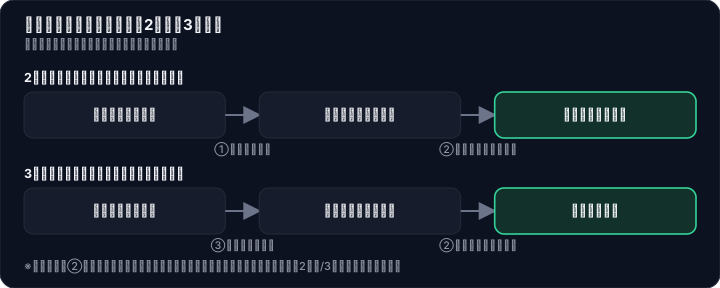
There are two types of factoring: 'two-party factoring' where the client is notified, and 'three-party factoring' where they are not. In many cases, you can choose which type during the free diagnosis. If you don't want your business partners to know, you can opt for three-party factoring.
Related articles
IwaiCosmo Securities Review 2026: Honest Look at Fees and IPO Lottery Odds, Plus Zero-Fee NISA
Get the latest 2026 review of IwaiCosmo Securities. We take an honest look at their strong IPO underwriting track record, zero trading fees for NISA accounts, overall fee structure, and customer support. Compare with major online brokerages.
Fujitomi Securities FITS Review 2026: Fees, Features, and Why It's Ideal for Commodity Futures Beginners
A comprehensive review of Fujitomi Securities' online commodity futures trading platform, FITS. Discover industry-low fees (from ¥412 per side for standard contracts, conditions apply), beginner-friendly tools and support, and the loss cut system. Updated for 2026.
What is the reputation of moomoo Securities? Thorough comparison of fees, features, and reviews [2026 Latest]
Thorough explanation of moomoo Securities' reputation based on fees, features, and reviews. US stock fee 0.132% (with conditions), Japanese stock free, exchange fee 0 yen (with conditions), 24-hour trading, AI analysis tools, etc. Compare the latest information for 2026. Also note points such as not supporting Tsumitate NISA.