
Kinosaki Onsen is a rare onsen town where the core experience is walking between seven public bathhouses in a yukata, not just soaking in one bath. You can’t plan it like a typical ryokan stay: the baths are the itinerary, the yukata is your outfit, and the town’s layout dictates your pace. Here’s how to do it right, including how the bath pass works, what to wear, and how to get there from Kyoto or Osaka.
Why Kinosaki is different: the seven-bath system
Most onsen towns have one main bath or a single ryokan’s private bath. Kinosaki has seven public bathhouses (外湯, soto-yu) scattered along the Maruyama River, each with its own character and water source. The town’s charm is the ritual of walking between them in a yukata and geta, which is why the ryokan provide yukata for guests. The baths are within a 10-15 minute walk of each other, but the experience is about the journey, not just the soak.

Why Kinosaki is different: the seven-bath system — Photo by Kate Kasiutich on Unsplash



The onsen-tōri (外湯めぐり) pass: what it covers and how to use it
If you stay at a ryokan in Kinosaki, you typically receive a free pass (外湯めぐり, onsen-tōri) that covers all seven baths. If you’re a day-tripper, you can buy a pass at the Tourist Information Center or at any bathhouse. The pass is valid for multiple entries, but you can only enter each bath once per day. The baths are open from early morning until late evening, but hours vary by bath, so check the official schedule. The pass is a great value if you plan to visit more than two baths.

The onsen-tōri (外湯めぐり) pass: what it covers and how to use it — Photo by Shika Chen on Unsplash
Yukata etiquette: what to know before you walk out
When you stay at a ryokan, you’ll be given a yukata (light cotton kimono) and geta (wooden sandals). It’s normal to wear the yukata outside to the baths and around town. Here are the unwritten rules: wrap the left side over the right (the reverse is for the deceased); wear the geta with socks (tabi) provided by the ryokan; and don’t wear the yukata into the baths themselves—undress in the changing area. When you enter a bath, you’ll leave your yukata and geta in a basket or locker. Also, note that some baths have separate areas for tattooed guests, but Kinosaki is generally more accepting of tattoos than other onsen towns, though it’s best to check with your ryokan.

Yukata etiquette: what to know before you walk out — Photo by Kate Kasiutich on Unsplash
How to get to Kinosaki from Kyoto
From Kyoto, the most direct route is the JR Hashidate limited express from Kyoto Station to Kinosaki Onsen Station, taking about 2.5 hours. The train departs roughly every 1-2 hours, and the fare is around ¥5,000 one-way. If you have a JR Pass, the base fare is covered, but you may need to pay an additional limited express fee. Alternatively, you can take a bus from Kyoto Station, which takes about 3 hours and costs around ¥3,000, but buses are less frequent. For the latest schedules and fares, check the JR West website.
How to get to Kinosaki from Osaka
From Osaka, the easiest route is the JR Kounotori limited express from Osaka Station to Kinosaki Onsen Station, taking about 2.5 hours. The fare is around ¥5,000 one-way. If you’re coming from Kansai International Airport, you can take a direct bus to Kinosaki Onsen, which takes about 3.5 hours and costs around ¥4,000, but it’s less frequent. Alternatively, you can take the JR limited express from Osaka, but you’ll need to transfer at Fukuchiyama. Always check the JR West website for the latest timetables.
Where to stay: ryokan options and booking tips
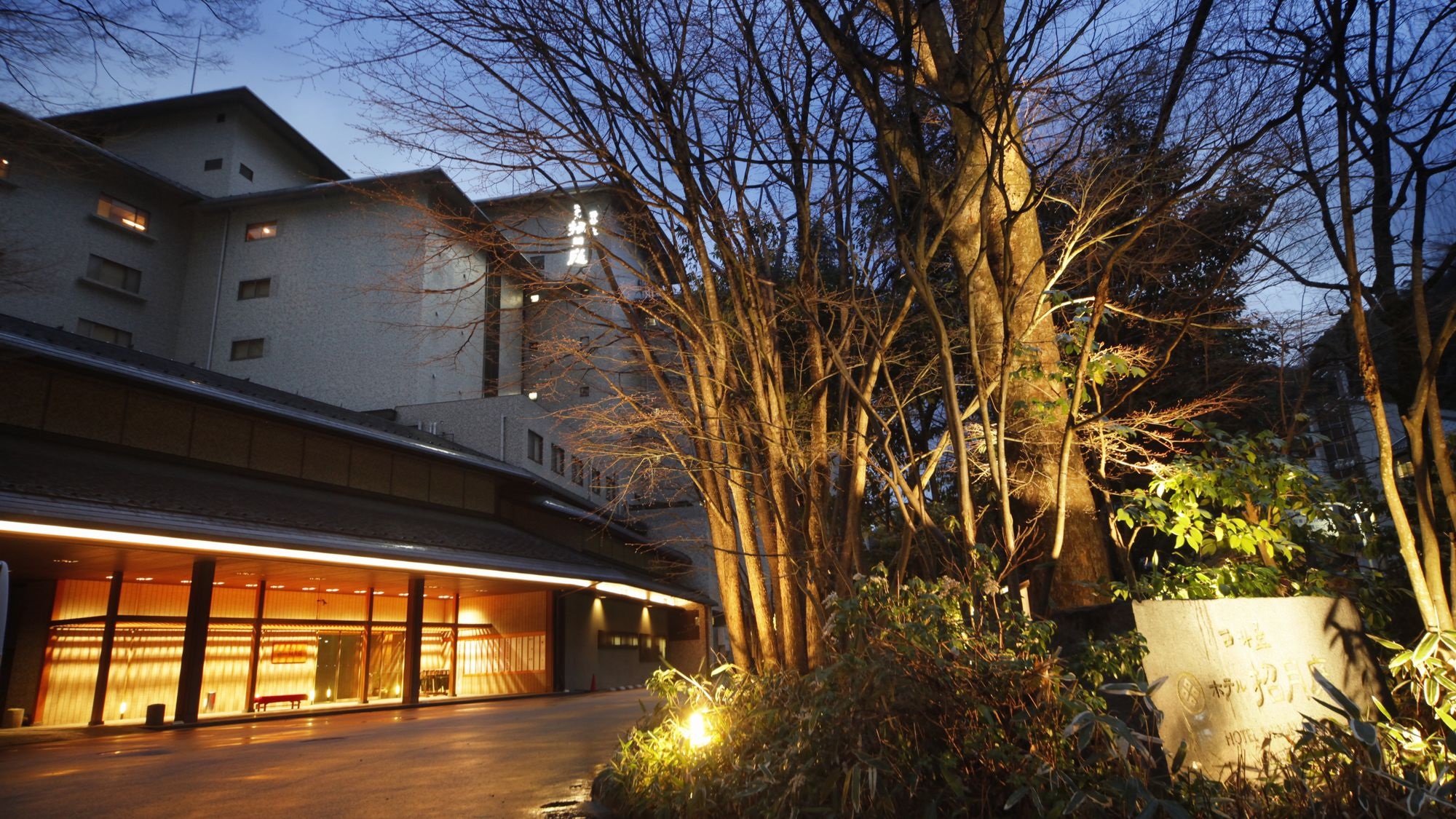
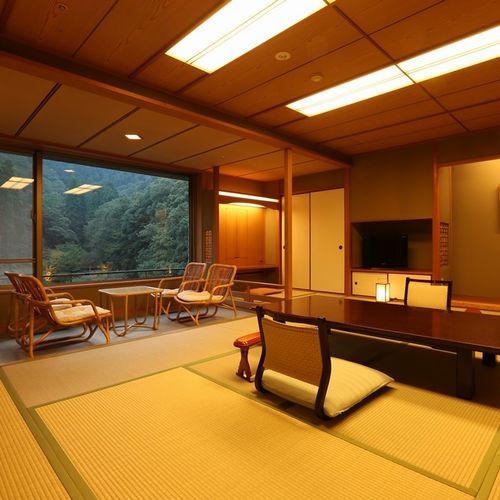
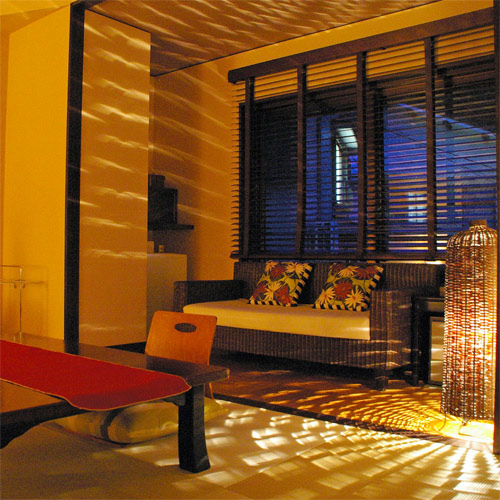
Kinosaki has about 30 ryokan, many of which are traditional and offer half-board (dinner and breakfast). Some ryokan have private baths, but the main attraction is the public baths. Booking ahead is essential, especially in peak seasons (autumn leaves, cherry blossom, and New Year). You can book via Agoda or Trip.com to compare rates for your dates. Note that some ryokan require you to book directly through their website or a Japanese booking site, so check availability early.
Who should skip Kinosaki
Kinosaki is a small town with limited nightlife and few non-onsen attractions. If you prefer big-city energy, shopping, or a variety of dining, you’ll be bored after a day. It’s also not ideal for travelers with mobility issues, as you’ll be walking between baths in geta, which can be tricky on uneven stone paths. If you’re on a tight budget, the ryokan rates are high, and you’ll need to pay for the bath pass if you’re not staying overnight. If you only have one day in the Kansai area, you might be better off with a day trip to Arima Onsen or a soak in a city spa.
Common mistakes to avoid
- Wearing yukata incorrectly: left over right is a major faux pas.
- Not checking bath hours: some baths close early, and you might miss out.
- Forgetting to bring a small towel: you’ll need it for washing and modesty.
- Skipping the pass if you’re a day-tripper: it’s cheaper than paying per bath.
- Planning too much: you’ll want time to relax, not rush.
Sample itinerary: one day in Kinosaki
Arrive by late morning, check into your ryokan, change into yukata, and start with the closest bath. Have a light lunch at a local soba shop, then visit two more baths in the afternoon. In the evening, enjoy your ryokan’s kaiseki dinner, then take a post-dinner walk to the famous ropeway for a night view (if open). End with a late-night soak at a bath that’s open until 11 PM. This gives you a taste of four baths without rushing.
Fact matrix: key details at a glance
| Item | Detail | Source | Verified date |
|---|---|---|---|
| Number of public baths | 7 | Official Kinosaki Onsen Tourism Association | 2026-08-22 |
| Bath pass for day-trippers | Available at Tourist Info Center or baths | Official Kinosaki Onsen Tourism Association | 2026-08-22 |
| Kyoto to Kinosaki by JR Hashidate | ~2.5 hours, ~¥5,000 | JR West official website | 2026-08-22 |
| Osaka to Kinosaki by JR Kounotori | ~2.5 hours, ~¥5,000 | JR West official website | 2026-08-22 |
| Yukata rule | Left side over right | Common knowledge / ryokan etiquette guides | 2026-08-22 |
Frequently asked questions
Do I need to book ryokan in advance?
Yes, especially during peak seasons. Kinosaki is a popular destination, and ryokan often sell out weeks ahead. You can book via Agoda or Trip.com, but some ryokan only take direct bookings. It’s best to book at least a month in advance for autumn and spring.
Can I visit the baths if I have tattoos?
Kinosaki is relatively tattoo-friendly compared to other onsen towns. Many baths allow tattoos, but some may require covering them with a patch. Check with your ryokan or the bathhouse directly. The official tourism site has a list of baths that allow tattoos.
Is the onsen-tōri pass worth it?
If you plan to visit more than two baths, yes. The pass costs around ¥1,500 for day-trippers, while a single bath is about ¥800. If you’re staying at a ryokan, the pass is usually included, so you don’t need to buy one.
What is the best season to visit Kinosaki?
Winter is the most iconic, with snow falling on the town and steam rising from the baths. Autumn is also beautiful with colorful leaves. Summer is hot and humid, but the baths are still enjoyable. Spring brings cherry blossoms, but it’s crowded. Avoid the rainy season (June) if you want to walk comfortably.
Final verdict
Kinosaki is a must-visit for onsen lovers who want an authentic, immersive experience. The seven-bath system is unique, and walking in yukata is a memory you’ll keep. But it’s not for everyone: if you want nightlife or a wide range of activities, skip it. For those who go, the key is to relax, follow the etiquette, and let the town’s rhythm guide you. Always check the latest schedules and prices on the official tourism site before you go.
Note: This article is for information only and does not constitute travel advice. Always check official sources for the latest updates.
FAQ
Do I need to book ryokan in advance?
Yes, especially during peak seasons. Kinosaki is a popular destination, and ryokan often sell out weeks ahead. You can book via Agoda or Trip.com, but some ryokan only take direct bookings. It’s best to book at least a month in advance for autumn and spring.
Can I visit the baths if I have tattoos?
Kinosaki is relatively tattoo-friendly compared to other onsen towns. Many baths allow tattoos, but some may require covering them with a patch. Check with your ryokan or the bathhouse directly. The official tourism site has a list of baths that allow tattoos.
Is the onsen-tōri pass worth it?
If you plan to visit more than two baths, yes. The pass costs around ¥1,500 for day-trippers, while a single bath is about ¥800. If you’re staying at a ryokan, the pass is usually included, so you don’t need to buy one.
What is the best season to visit Kinosaki?
Winter is the most iconic, with snow falling on the town and steam rising from the baths. Autumn is also beautiful with colorful leaves. Summer is hot and humid, but the baths are still enjoyable. Spring brings cherry blossoms, but it’s crowded. Avoid the rainy season (June) if you want to walk comfortably.
Sources & Verification
Fact-checked on 2026-08-22:
- "Kinosaki has seven public baths." — https://www.kinosaki-spa.gr.jp/en/ (2026-08-22)
- "The onsen-tōri pass is available for day-trippers." — https://www.kinosaki-spa.gr.jp/en/onsen/ (2026-08-22)
- "Kyoto to Kinosaki by JR Hashidate takes about 2.5 hours." — https://www.jr-odekake.net/railroad/ticket/ (2026-08-22)
- "Osaka to Kinosaki by JR Kounotori takes about 2.5 hours." — https://www.jr-odekake.net/railroad/ticket/ (2026-08-22)
Related articles
Hakone from Tokyo: Day Trip or Onsen Overnight? Loop, Ryokan Rules & Mt Fuji Odds
Decide between a Hakone day trip and an onsen ryokan overnight. Learn the loop, ryokan check-in/kaiseki rules, tattoo policies, and Mt Fuji visibility odds. Sources dated 2026.
[2026 Latest] Is Agoda Hotel Booking Really a Bargain? Thorough Explanation of Reasons for Low Prices, Reviews, and Comparison with Other Companies
2026 latest. Explains why Agoda hotel bookings are a bargain through five mechanisms including the merchant model and lowest price guarantee. Also introduces comparisons with other companies such as Booking.com and Expedia, as well as actual reviews. A must-see for cost-conscious travelers.
Where to Stay in Osaka 2026: Namba vs Umeda vs Shin-Osaka as a Day-Trip Base
Osaka is the cheapest big-city base in Japan and a hub for day trips to Kyoto, Nara, Himeji, and Kobe. Compare Namba, Umeda, and Shin-Osaka by food, transport, and budget to pick your ideal area.