
A night in a Koyasan shukubo is not a hotel stay — it's an invitation into a working monastery's daily rhythm. You'll sleep on tatami, eat shojin ryori (Buddhist vegetarian cuisine), and likely share a bath, all while respecting a strict curfew. This guide explains what to expect, how to book, and how to participate in morning prayer (with proper etiquette), so you can decide if it's right for you.
What Is a Shukubo? (And How It Differs from a Hotel)
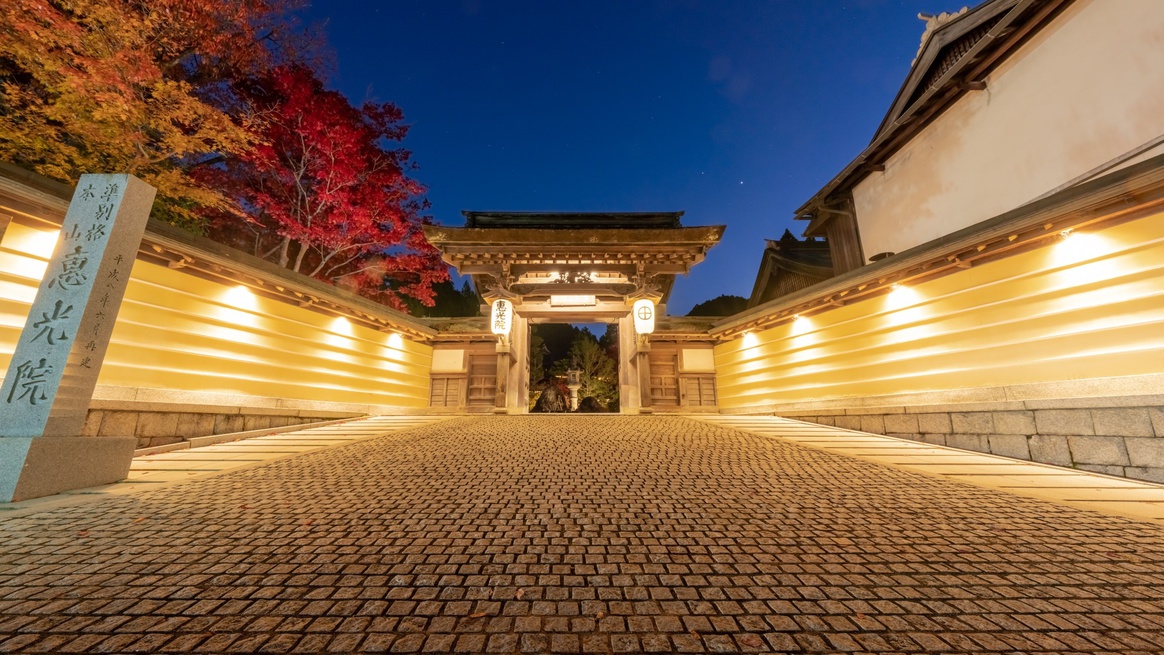
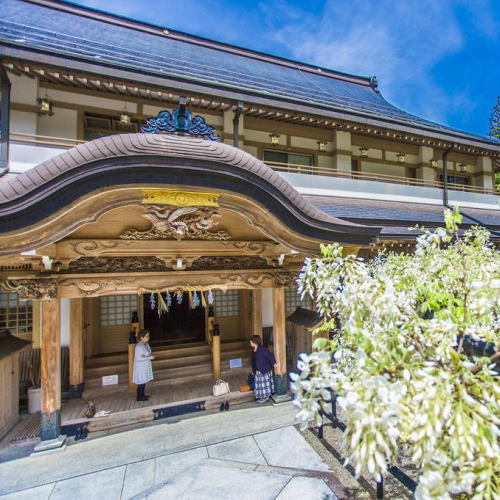
Shukubo are temple lodgings that have hosted pilgrims for centuries. Today, many offer modern comforts, but they are not hotels. Here's what to expect:
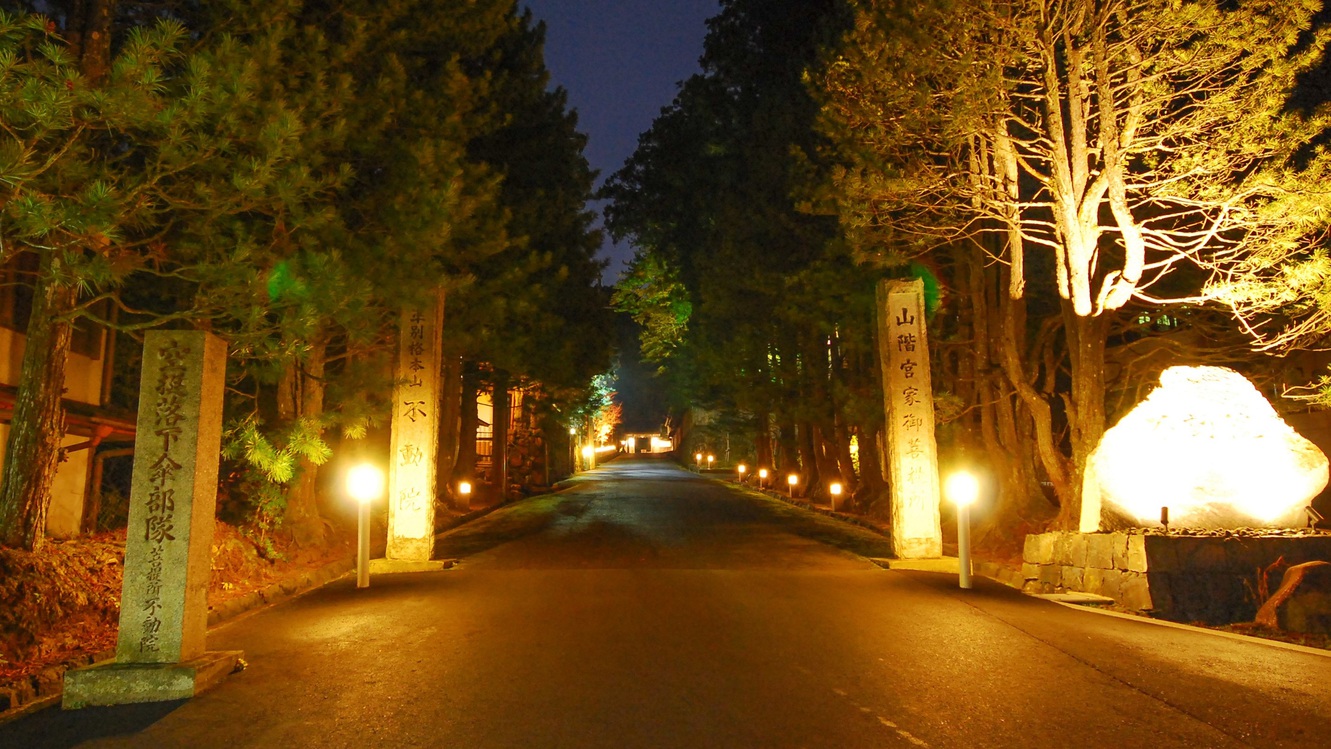
- Curfew: Most temples lock their gates between 9 PM and 10 PM. You must be inside before then, and you cannot leave until morning.
- Shojin ryori: Dinner and breakfast are included and strictly vegetarian (no meat, fish, or strong-smelling ingredients). Meals are served in your room or a communal dining area.
- Shared baths: Bathrooms are often communal, with separate times for men and women. Private baths are rare.
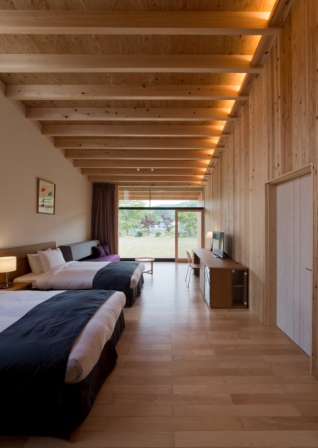
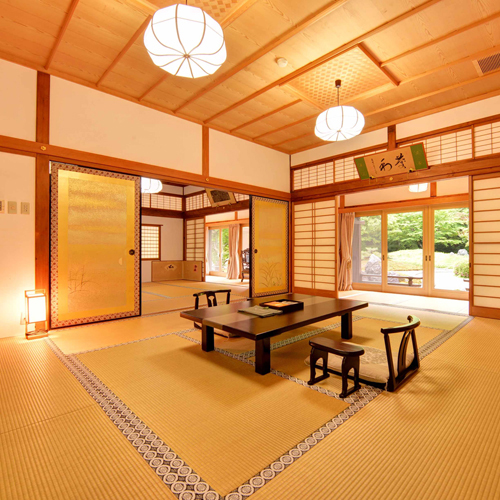
- Tatami rooms: You'll sleep on a futon laid out on tatami floors. Rooms may have shared or private facilities.
- Morning prayer: Many temples offer guests the chance to join the monks for their morning service (usually around 6 AM). Participation is optional but highly recommended.
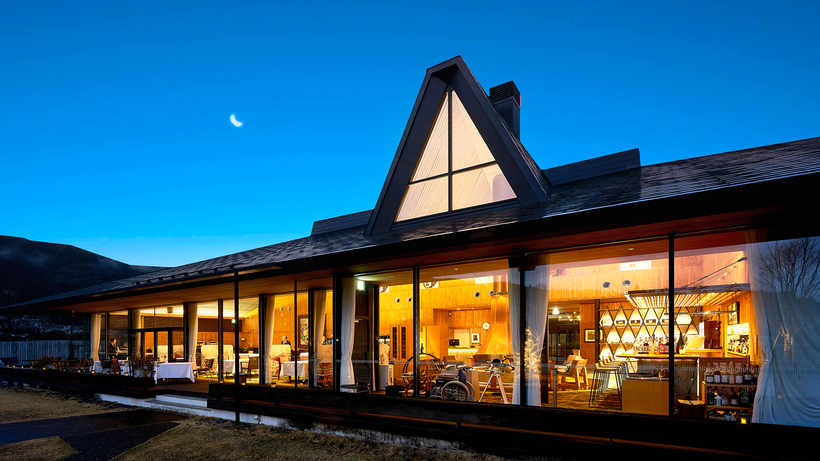
Who Should Skip Koyasan (and When)
Koyasan is not for everyone. Consider skipping if:
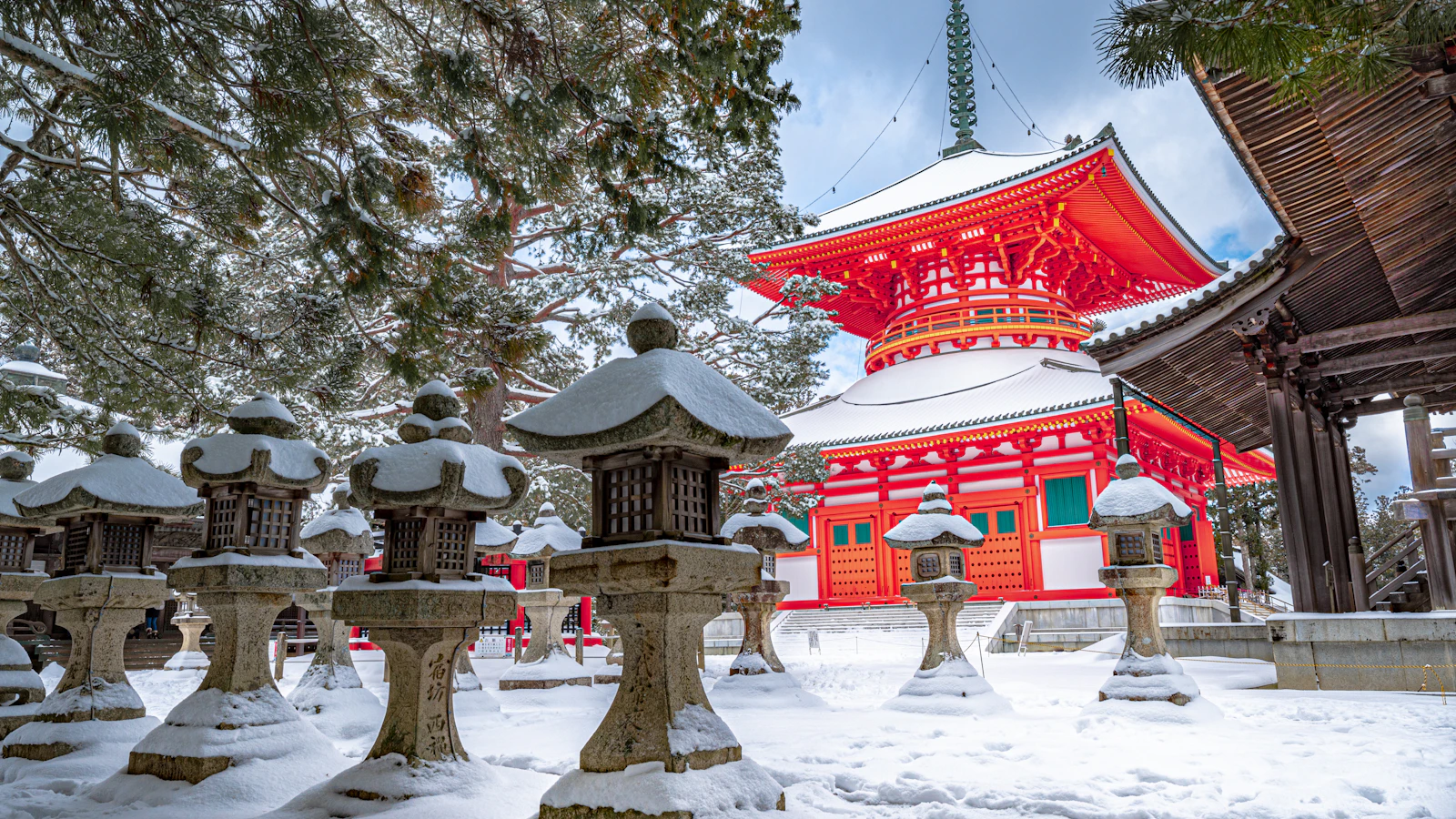
Who Should Skip Koyasan (and When) — Photo by Samuel Berner on Unsplash
- You want nightlife: The town is quiet after dark, and there are no bars or late-night convenience stores.
- You have mobility issues: The town is hilly, and temples often have stairs and uneven paths.
- You're on a tight schedule: The journey from Osaka takes at least 2 hours each way, and the curfew means you'll spend a full day there.
- You're allergic to vegetarian food: Shojin ryori is plant-based, but it may include gluten (soy sauce) and nuts. Inform the temple in advance if you have allergies.
- You prefer Western-style beds: Futons on tatami are traditional but not for everyone.
How to Book a Shukubo
Booking is typically done through the official Koyasan Shukubo Association or via major booking platforms. Here are your options:
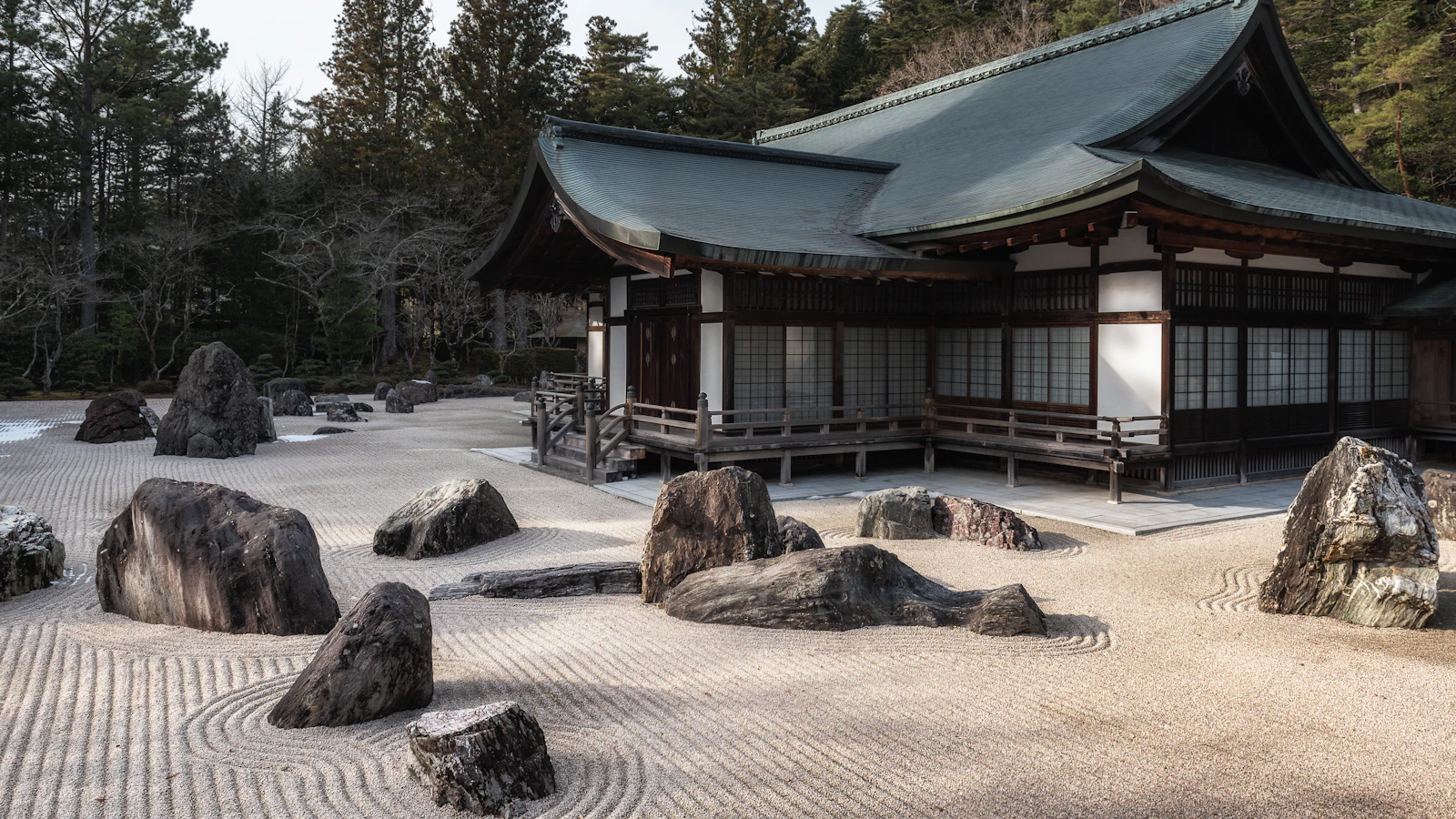
How to Book a Shukubo — Photo by Hu Chen on Unsplash
- Direct via the Koyasan Shukubo Association: The association's website lists all member temples and allows direct booking. This is the most reliable way to ensure availability and get accurate information.
- Booking platforms: Many temples are listed on Agoda and Trip.com. These are convenient for comparing prices and reading reviews, but availability may be limited.
- Travel agencies: Some agencies offer packages that include a shukubo stay, but they often add a markup.
Tip: Book well in advance, especially for autumn foliage season (late October to mid-November) and during Golden Week (late April to early May).
Morning Prayer Etiquette
If you choose to attend morning prayer, follow these guidelines:
- Arrive early: Be in the designated area 5-10 minutes before the service starts.
- Dress modestly: Wear comfortable, modest clothing. Avoid shorts, tank tops, and revealing attire.
- Sit properly: Sit in seiza (kneeling) if you can, or cross-legged if not. Keep your back straight.
- Follow the monks: Stand, sit, and bow when they do. It's okay to observe quietly if you're unsure.
- No photos: Photography is usually prohibited during the service.
- Stay until the end: Leaving early is disruptive.
Sample Itinerary for a Shukubo Stay
Here's a typical schedule (times may vary by temple):
- 15:00: Check-in. You'll be shown to your room and given a tour.
- 17:00: Dinner is served in your room.
- 18:30: Optional evening meditation or temple tour.
- 21:00: Curfew. Prepare for bed.
- 06:00: Morning prayer (optional).
- 07:00: Breakfast.
- 09:00: Check-out.
Cost Breakdown (2026)
Prices vary widely by temple and season. As of August 2026, per person per night typically ranges from ¥8,000 to ¥20,000, including two meals. For a more precise estimate, check the official association's website or booking platforms.
Example: A mid-range temple might charge ¥12,000 per person. For two people, that's ¥24,000 per night. Compare this with a hotel in Osaka, which might cost ¥10,000 per room per night, but remember that meals are included in the shukubo price.
Common Mistakes to Avoid
- Assuming you can check in late: The curfew is strict. Plan your arrival accordingly.
- Expecting a private bath: Most temples have communal baths. Check the facilities before booking if this matters to you.
- Not informing about allergies: Shojin ryori can include common allergens. Contact the temple in advance.
- Wearing shoes indoors: Always remove your shoes at the entrance.
- Forgetting to book ahead: Last-minute bookings are often impossible, especially in peak seasons.
How to Get to Koyasan
From Osaka, take the Nankai Koya Line from Namba Station to Gokurakubashi Station (about 80 minutes), then transfer to the cable car up the mountain (5 minutes), and finally take a bus to the center of Koyasan (10 minutes). The total journey is about 2 hours and costs around ¥2,000 one way. Alternatively, there are direct buses from Kyoto and Osaka.
Fact Matrix: Quick Comparison
| Option | Price (per person/night) | Meals | Booking Channel | Verified Date |
|---|---|---|---|---|
| Shukubo (temple stay) | ¥8,000–¥20,000 | Included | Official association, Agoda, Trip.com | 2026-08-22 |
| Hotel in Osaka (business) | ¥6,000–¥12,000 | Not included | Booking sites | 2026-08-22 |
| Ryokan (traditional inn) | ¥15,000–¥30,000 | Included | Booking sites | 2026-08-22 |
Source: Koyasan Shukubo Association, official listings.
Frequently Asked Questions
Do I need to book a shukubo in advance?
Yes, especially during peak seasons. It's best to book at least a month ahead.
Can I attend morning prayer if I'm not Buddhist?
Absolutely. It's a cultural experience open to all guests, regardless of faith.
What should I wear to a shukubo?
Comfortable, modest clothing. You'll be sitting on tatami and possibly kneeling, so loose-fitting clothes are recommended.
Is it okay to skip meals?
Meals are included, but if you have dietary restrictions, inform the temple in advance. Skipping is allowed but not recommended.
Can I stay in a shukubo for multiple nights?
Yes, many guests stay 2-3 nights to explore the area and participate in additional activities like meditation or sutra copying.
Final Verdict
A shukubo stay is a unique, immersive experience that offers a glimpse into monastic life. It's not for everyone, but for those who embrace the simplicity and structure, it can be a highlight of a Japan trip. Book early, respect the rules, and come with an open mind.
Note: Prices and availability are subject to change. Always check the official website or booking platform for the latest information.
FAQ
What is a shukubo?
A shukubo is a temple lodging in Koyasan, offering a night in a working Buddhist monastery. Guests sleep on tatami, eat vegetarian shojin ryori, and may join morning prayers. It's a cultural experience, not a standard hotel.
How much does a shukubo stay cost?
As of August 2026, prices range from ¥8,000 to ¥20,000 per person per night, including two meals. Costs vary by temple and season. Check the official Koyasan Shukubo Association or booking platforms for current rates.
What is morning prayer etiquette at a shukubo?
Arrive early, dress modestly, sit quietly, and follow the monks' lead. No photos during the service. It's okay to observe if you're unfamiliar with rituals.
Can I book a shukubo online?
Yes, you can book directly through the Koyasan Shukubo Association's website or via booking platforms like Agoda and Trip.com. Direct booking is recommended for the best availability.
Sources & Verification
Fact-checked on 2026-08-22:
- "Koyasan shukubo prices range from ¥8,000 to ¥20,000 per person per night including meals." — https://www.shukubo.jp/eng/ (2026-08-22)
- "Most temples have a curfew between 9 PM and 10 PM." — https://www.shukubo.jp/eng/ (2026-08-22)
- "Morning prayer is optional and typically held around 6 AM." — https://www.shukubo.jp/eng/ (2026-08-22)
- "Access to Koyasan from Osaka involves the Nankai Koya Line and a cable car, taking about 2 hours." — https://www.nankai.co.jp/en/railway/koyasan.html (2026-08-22)
Related articles
Beppu or Yufuin: Choosing Your Kyushu Onsen Base
Compare Beppu vs Yufuin: hells vs boutique streets, access from Fukuoka, and where to stay. Get a clear verdict for your trip.
Hakone from Tokyo: Day Trip or Onsen Overnight? Loop, Ryokan Rules & Mt Fuji Odds
Decide between a Hakone day trip and an onsen ryokan overnight. Learn the loop, ryokan check-in/kaiseki rules, tattoo policies, and Mt Fuji visibility odds. Sources dated 2026.
Takayama Travel Guide: Old Town Without Kyoto Crowds
Plan a Takayama trip: old town, morning markets, Shirakawa-go day trip logistics, and where to stay. Updated 2026 with booking tips.