
Conclusion In 2026, the standard for saving electricity is not "endurance" but "efficiency." With electricity rates remaining high and heatwaves persisting, if you want to see immediate results with minimal upfront costs, the most practical approach is to start with smart plugs or watt monitors that make your power consumption "visible." If your goal is to lower electricity bills year-round, replacing appliances with energy-saving models rated ★4 or higher under the Unified Energy-Saving Label—such as air conditioners and refrigerators—along with physical heat countermeasures like outdoor unit covers and shade nets, offers the best cost-effectiveness.
Why Energy-Saving Gadgets Are Gaining Attention Now
Even as we move into 2026, electricity prices remain stubbornly high, putting increasing pressure on household budgets. According to the Ministry of Internal Affairs and Communications' 2025 Household Survey, the average monthly electricity bill for a two-person household in Japan is ¥12,144, amounting to approximately ¥146,000 per year. Furthermore, the renewable energy surcharge was raised to ¥3.98/kWh in fiscal 2025, adding to the overall upward pressure on electricity costs.
In addition, the summer of 2026 is expected to bring heightened warnings of scorching heat and heatwaves across many parts of the world, including Japan. Since the risk of indoor heatstroke cannot be ignored, simply "toughing it out without air conditioning" is not a realistic form of energy saving. This is precisely why interest in energy-saving gadgets—which allow you to use cooling appropriately while cutting waste and improving appliance efficiency—has never been higher.
How to Read Energy-Saving Product Specifications
When choosing energy-saving products, it's important to correctly understand the numbers shown on labels and packaging. Here's a breakdown of the most common indicators and how to interpret them.
Power Consumption (W: Watts)
This represents the instantaneous amount of electricity a device uses when operating. For example, if a product is labeled "1000W," it means it consumes 1000 watts at that moment. The higher the number, the more electricity the device uses, so from an energy-saving perspective, lowering this value is key.
Cumulative Energy Consumption (kWh: Kilowatt-Hours)
This is the total amount of electricity used over a specific period. Electricity bills are generally calculated based on kWh. For instance, using a 1000W device for one hour equals 1 kWh. With a watt monitor, you can check the cumulative energy consumption of each appliance and identify which ones are driving up your electricity bill.
Unified Energy-Saving Label
This is a label commonly found on air conditioners and refrigerators at electronics retailers, showing energy efficiency with a star rating. The more stars, the better the energy efficiency, with 4 stars or more considered a good benchmark. Additionally, models with an "energy-saving standard achievement rate" exceeding 100% are more efficient than the current standard.
Standby Power
This refers to the electricity consumed by a device even when it appears to be turned off, simply because it's plugged into an outlet. It occurs in devices like TVs waiting for a remote signal or microwaves with a clock display. Using a smart plug can reduce standby power to zero during times when the device is not in use.
Selection Criteria — Consider These 5 Factors
Even when we talk about "energy-saving gadgets," the approaches vary widely. Here are five criteria to help you choose based on your specific goals.
1. Do You Want to "Visualize" Your Usage First?
If you're not sure where to start, tools that let you see your power consumption in numbers are handy. These include watt monitors that you simply plug into an outlet, or smart plugs that let you check power usage via your smartphone. For example, products like the Eco Keeper for air conditioners allow you to monitor five key metrics: instantaneous power consumption (W), cumulative power consumption (kWh), hourly electricity cost (yen), cumulative cost (yen), and CO2 emissions (kg).
2. Do You Want to Cut Standby Power for Multiple Devices at Once?
If you want to manage the standby power of several devices at once — such as TVs, audio equipment, or computer peripherals — a smart power strip is the right choice. Brands like SwitchBot, TP-Link, and Meross offer products that let you remotely turn power on and off via a smartphone app, and also allow you to set schedules.
3. Do You Want to Improve Your Air Conditioner's Efficiency (Outdoor Measures)?
A commonly overlooked factor in reducing air conditioning costs is the environment around the outdoor unit. When the outdoor unit gets hot from direct sunlight, cooling efficiency drops, leading to extra power consumption. Installing an aluminum outdoor unit cover or a shade net can help suppress the temperature rise and prevent efficiency loss. On Rakuten Market, you can find many products by searching keywords like "air conditioner outdoor unit cover energy saving," with prices starting around 1,700 yen.
4. Do You Want to Physically Block Heat from Windows?
A major cause of rising indoor temperatures in summer is sunlight streaming in through windows. Using shade nets or thermal curtains can help keep the perceived temperature comfortable even if you set your air conditioner to a higher temperature. On Rakuten Market, shade nets with about 90% light-blocking rate are available for around 10,900 yen for a 4m x 4m size, while products with about 75% light-blocking rate cost around 6,600 yen for a 4m x 3m size. Nets with grommets (reinforced holes) are easier to install and suitable for setting up on balconies or outside windows.
5. Should You Replace Your Appliances with More Energy-Efficient Models?
If you're still using an air conditioner or refrigerator purchased more than 10 years ago, simply upgrading to the latest energy-efficient model could significantly lower your electricity bills. As a guideline, look for models with a Unified Energy-Saving Label rating of ★4 or higher, or an energy-saving standard achievement rate exceeding 100%. While replacing appliances involves an upfront cost, considering the annual electricity savings and the product's lifespan, it often pays off in the long run.
Comparison by Type
The table below summarizes the main categories and features of representative energy-saving products.
| Product Category | Main Energy-Saving Mechanism | Approximate Price Range | Recommended For |
|---|---|---|---|
| Smart Plug | Cuts standby power, remote/schedule management, visualizes power consumption | ¥1,500 – ¥5,000 | Those who want to identify waste first, or manage multiple devices together |
| Watt Monitor | Real-time display of power consumption and electricity costs | ¥2,000 – ¥4,000 | Those who want a simple numerical check, or prefer no internet connection |
| Outdoor Unit Cover | Blocks direct sunlight, reduces temperature rise of the outdoor unit | ¥1,700 – ¥5,000 | Those who feel their air conditioner is inefficient, or have a sunny balcony |
| Shade Net | Blocks sunlight through windows, prevents indoor temperature rise | ¥6,000 – ¥18,000 (varies by size) | Those with large, sunny windows, or who want to protect both the outdoor unit and windows |
| Energy-Saving Appliances (AC, Refrigerator) | Lower power consumption of the appliance itself | Tens of thousands to hundreds of thousands of yen | Those nearing a replacement cycle, or considering long-term electricity cost reduction |
How to Use and Get the Most Out of Them – Tips for First-Timers
Smart Plugs & Watt Monitors
- Start by listing all the devices you keep plugged in around the house. Common examples include TVs, recorders, microwaves, and phone chargers.
- Plug the smart plug or watt monitor into the wall outlet, then connect your device to it.
- For smart plugs, download the manufacturer's app to your phone and pair the device via Wi-Fi. You can then monitor power consumption and set schedules to turn devices off automatically—for example, cutting power to your TV setup while you sleep or turning off chargers when you're out.
- Important: Not all devices are suitable for remote on/off control. Do not use smart plugs with refrigerators, medical equipment, or other devices that need continuous power. Also, check the plug's rated power limit—connecting a high-wattage heater could cause overheating or damage.
Outdoor Unit Covers & Shade Nets
- When installing an outdoor unit cover (for air conditioners), make sure it does not block the unit's air outlet. Blocking airflow will reduce efficiency and may damage the system. Follow the product instructions carefully. Many aluminum covers are lightweight and require no tools.
- For shade nets, install them on the outside of windows or on balcony railings for best results. Nets with eyelets can be secured using zip ties or hooks. While you can hang them indoors as curtains, placing them outside the glass is far more effective at reducing indoor temperature rise.
- Important: In strong winds, nets can flap, tear, or come loose. During typhoon season, consider temporarily removing them or reinforcing the fixings. Also, if you live in a rental property, check the management rules—some buildings restrict attaching items to balcony railings.
Tips for Buying Energy-Efficient Appliances
- Before replacing an appliance, check the age and power consumption of your current model. An air conditioner or refrigerator over 10 years old can cost ¥10,000 or more per year in electricity compared to a modern equivalent.
- When shopping, compare the number of stars on the Unified Energy-Saving Label and the energy-saving standard achievement rate. Even within the same brand and price range, efficiency can vary significantly, so take the time to read the spec sheets carefully.
- In Japanese homes, air conditioner installation requires a professional contractor. For refrigerators, be sure to measure the installation space and check the delivery path (doorways, hallways, stairs) before purchasing to avoid costly surprises.
Example Use Cases
Example 1: Single Office Worker Living Alone On weekdays, they are away from home for long hours due to work, and after returning, they often use computer peripherals for remote work. First, they introduced smart plugs for the TV and computer area, setting a schedule to completely cut power while away or asleep. Additionally, by using a watt meter to check the air conditioner's power consumption, they discovered it was using more electricity than expected during cooling. Since the outdoor unit was heating up due to direct afternoon sunlight, they installed an aluminum outdoor unit cover. As a result, they felt a tangible reduction in monthly electricity bills without making any particular sacrifices. (Example scenario)
Example 2: Household with Children During summer, they are concerned about their young child suffering from heatstroke, so the air conditioner needs to run almost all day. Shocked by last year's high electricity bills, they first installed shading nets on the living room and bedroom windows. They chose a product with approximately 90% shading rate to suppress the daytime temperature rise indoors. Furthermore, they replaced the 10-year-old living room air conditioner with a latest model exceeding 100% of the energy efficiency standard. Although there was an initial cost, the electricity bill clearly decreased compared to the same month of the previous year, and they felt the replacement was worthwhile. The net installation was completed by the couple in about an hour on a day off, and they chose a method that allows restoration to the original condition since they are renting, giving them peace of mind. (Example scenario)
Example 3: Foreigner Living in Japan Surprised by the high humidity of Japan's summer, they feel they cannot live without an air conditioner. However, the electricity billing system and contract plans differ from their home country, and they didn't know how to save electricity. They purchased a watt meter they found at an electronics store and visualized the power consumption of their air conditioner and refrigerator. They developed a habit of adjusting the set temperature while looking at the numbers. Additionally, they introduced a smart plug app (with multilingual support) that can be operated intuitively even without understanding Japanese, allowing them to check from outside whether the air conditioner was left on. While many Japanese products come with instruction manuals only in Japanese, recently there are more products with apps supporting English, allowing them to start using them without feeling the language barrier. (Example scenario)
Frequently Asked Questions
Q1. Does simply installing a smart plug really lower electricity bills?
Cutting standby power alone won't drastically reduce your electricity bill. However, by "visualizing" your power consumption, you become aware of how much electricity each device uses, which can motivate you to cut wasteful usage. In one smart home study, using SwitchBot was reported to save between ¥15,000 and ¥20,000 annually on electricity bills, but this figure includes behavioral changes from rethinking usage habits.
Q2. Do outdoor unit covers and shade nets really save electricity?
Reducing the temperature rise of outdoor units or blocking solar radiation through windows makes sense for lowering the cooling load on air conditioners. The extent of the effect varies depending on the installation environment and sunlight conditions, so it's impossible to guarantee a specific monthly savings amount, but these measures are more noticeable in environments with strong direct sunlight.
Q3. Is it worth replacing energy-efficient appliances before they break down?
Yes, it is. Air conditioners and refrigerators that are over 10 years old typically consume significantly more electricity annually compared to the latest energy-efficient models. By planning a replacement before a breakdown occurs, you can avoid the busy summer and winter seasons, making it easier to schedule installation, and ultimately enjoy greater comfort. As a guideline, look for appliances with a Unified Energy Efficiency Label rating of ★4 or higher.
Q4. Which energy-saving gadgets can be used in rental properties?
Smart plugs and watt monitors simply plug into wall outlets, so they can be used without issue in rentals. Outdoor unit covers that are freestanding or use Velcro fasteners are also easy to install and allow for easy restoration to the original condition. For shade nets, since balcony railings may be subject to management regulations, it's safer to consider attaching them to indoor windows using suction cup hooks or similar methods.
Summary
If you're worried about your electricity bills in 2026, start by using a smart plug or watt monitor that can "visualize" your home's power consumption. If you're already concerned about how you use your air conditioner, physically blocking heat with an outdoor unit cover or shading net is a simple and effective method. On the other hand, if you have an air conditioner or refrigerator that's been in use for over 10 years, replacing them with energy-efficient appliances rated ★4 or higher on the Unified Energy-Saving Label can potentially deliver the biggest long-term savings. Ultimately, choosing a method that fits your living environment and daily habits—and that you can stick with comfortably—is the fastest path to saving electricity.
Popular Product Examples (Rakuten Market Live Data)
As of July 26, 2026, based on Rakuten Market "smart plug" search results, selected by editorial team using review performance as a criterion. Prices and ratings are as of the time of retrieval and are subject to change.
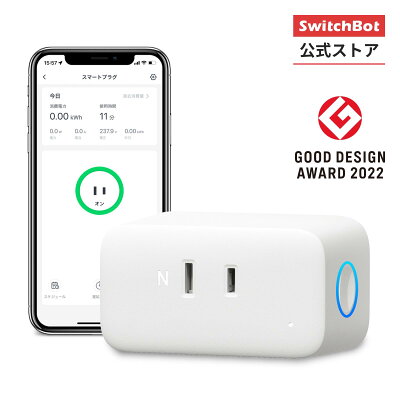
- SwitchBot Plug Mini Smart Plug Alexa Timer… — Approx. ¥1,650 · ★4.33 (394 reviews)
- TP-Link WiFi Smart Plug Remote Control Direct Plug… — Approx. ¥1,400 · ★4.60 (101 reviews)
- TP-Link WiFi Smart Plug Bluetooth Setup… — Approx. ¥1,600 · ★4.63 (49 reviews)
- Smart Power Strip Smart Plug 4 Outlets 2m USB-A 2 Ports… — Approx. ¥4,499 · ★4.21 (47 reviews)
▶ See more "smart plugs" on Rakuten Market
Browse Product Categories Featured in This Article
Watt Monitor
As of July 24, 2026, based on Rakuten Ichiba search results for "Watt Monitor," selected by editorial staff according to review history. Prices and ratings are as of the time of retrieval and are subject to change.
- Power Strip with Individual Switches, Watt Monitor, Watt Meter, Watt… — Approx. ¥4,480 · ★4.45 (38 reviews)
- Eco Checker, Plug-in Power Meter, Watt Checker, Electricity Cost… — Approx. ¥1,555 · ★4.03 (29 reviews)
- Eco Checker, Plug-in Power Meter, Watt Checker, Electricity Cost… — Approx. ¥1,555 · ★4.52 (21 reviews)
- Digital Eco Checker, Watt Checker, Watt Monitor, Power… — Approx. ¥2,380 · ★5.00 (2 reviews)
▶ See more "Watt Monitor" on Rakuten Ichiba
Shade Net
As of July 24, 2026, based on Rakuten Ichiba search results for "Shade Net," selected by editorial staff according to review history. Prices and ratings are as of the time of retrieval and are subject to change.
- Award-Winning Shade Net, Sunshade, Heat Shield, Outdoor Sun… — Approx. ¥1,480 · ★4.18 (285 reviews)
- Shade Net, Sunshade Net, Heat Shield, Balcony, Bird Net, Gardening, Sun… — Approx. ¥1,580 · ★3.87 (68 reviews)
- ≪ ¥1,000 ≫ 10% OFF from 25th 0:00! Shade Net, Agricultural… — Approx. ¥2,180 · ★4.64 (14 reviews)
- Shade Net 90% Black 2m×50m, Sunshade Net, Agricultural Net, Farming… — Approx. ¥9,980 · ★4.25 (12 reviews)
▶ See more "Shade Net" on Rakuten Ichiba
Where to Get the Best Deal? How to Use the 3 Stores
Even for the same product, the best store depends on the points you usually use and your priorities (speed, selection, rewards). Choose the store that suits you.
- Search for "Energy-Saving Products" on Rakuten Market — For those who save Rakuten Points or use a Rakuten Card, and for those who want to avoid mistakes by checking review counts. Points are boosted on days ending in 0 and 5 each month.
- Search for "Energy-Saving Products" on Yahoo! Shopping — For PayPay point users and SoftBank/Y!mobile customers. PayPay rewards and LYP Premium benefits are more likely to be added.
- Search for "Energy-Saving Products" on Amazon — For those who want the fastest delivery, Prime members, or those who prioritize a wide selection and stable inventory. Many items also support international shipping.
Note: Prices, stock, and point reward rates are always subject to change. Please check the latest conditions at the link before purchasing.
Related articles
Stand Out with Frozen Food Gifts for 2026 Chugen: How to Choose by Recipient & Budget
A 2026 guide to making a difference with frozen food gifts for Chugen (mid-year gift giving). Structured by recipient type and budget, this guide explains how to choose based on consumer psychology principles, common mistakes to avoid, and example gift-giving scenarios. Also includes tips for finding deals on Rakuten and Yahoo! Shopping.
Vacuum Cleaners with Auto-Empty Station: Recommendations & How to Choose [2026] – Type Comparison
A comprehensive guide to vacuum cleaners with auto-empty stations, including how to read specifications, selection criteria, type comparisons, usage tips, and example scenarios. Also covers how to find deals on Rakuten and Yahoo! Shopping. 2026 edition.
EARTHCAR Car Sharing Review 2026: Free Monthly Fee? Compare Costs & User Feedback
Updated for 2026. EARTHCAR is a car-sharing service with no monthly fee and free for the first 10 km. This review covers user feedback, pricing, and a comparison with Times Car Share. Ideal for short trips with a wide vehicle selection. Also includes discount info with conditions.